Autumn tour packages in Pakistan run through the valleys of Gilgit-Baltistan between late September and mid-November, when the orchards and hillsides along the Karakoram Highway turn shades of gold, red, and rust against the snow lines above. Ilyas Skardu Travels and Tours puts together autumn itineraries covering Hunza, Nagar, Skardu, Shigar, Khaplu, and Ghizer, built around where the color is strongest in a given week and how much time a traveler actually has.
This isn’t a season people need convincing about. Anyone who has scrolled through a Hunza autumn photo knows what the pitch is. What’s harder to find is a straight answer to the practical questions: which valley to prioritize if you only have a week, whether the Deosai road is even open by the time you arrive, what a package actually includes, and how much flexibility you have if the weather doesn’t cooperate. That’s what this page is for.
What an Autumn Tour Packages Pakistan Actually Looks Like
An autumn tour packages in northern Pakistan is less about one destination and more about a corridor. Most itineraries follow the Karakoram Highway north from Islamabad, through Chilas and Gilgit, into Hunza and Nagar, then either continue toward Passu and the upper valley or branch south toward Skardu, Shigar, and Khaplu. Some travelers do a loop; others pick one region and go deep rather than wide.
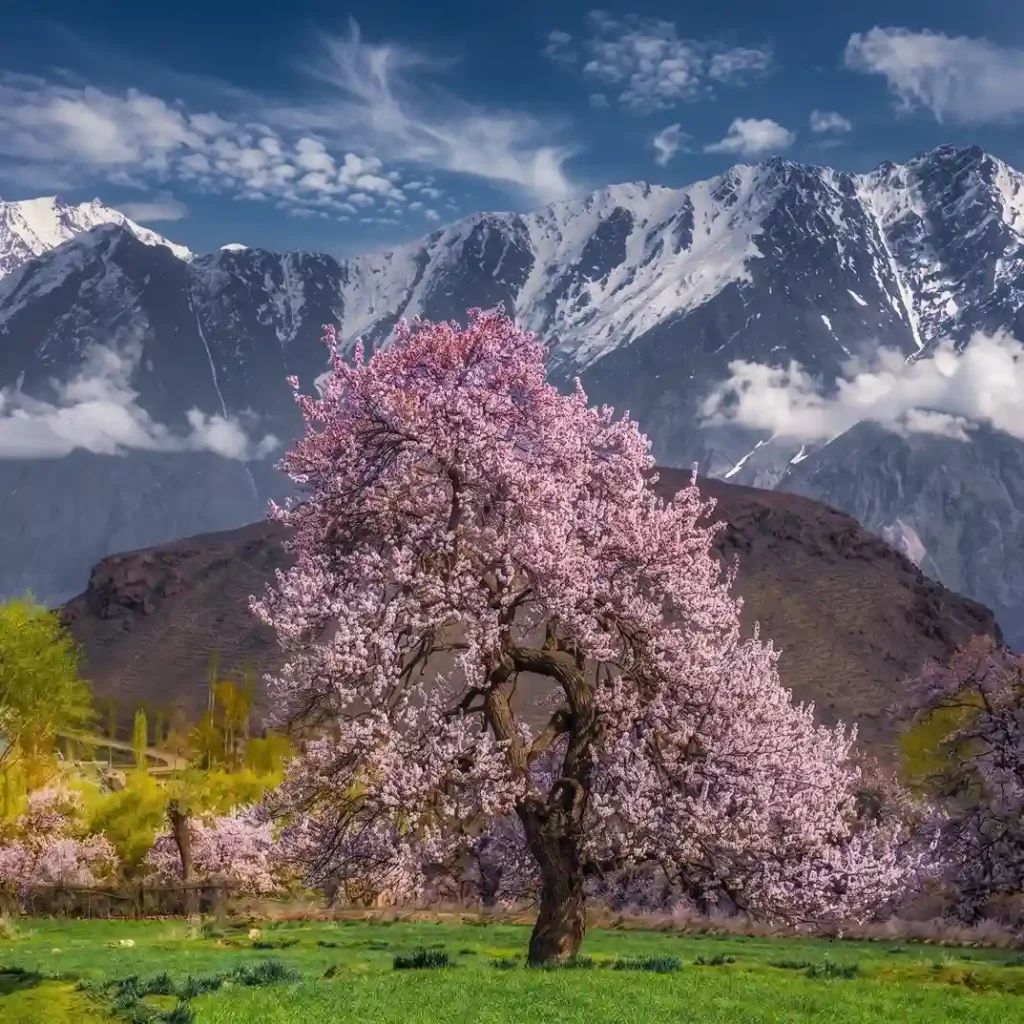
The color itself comes mostly from fruit and shade trees: apricot, apple, walnut, poplar, and mulberry, planted in terraced orchards that line the rivers and villages. These aren’t wild forests changing color so much as working farmland, which is part of what makes the season interesting. You’re watching harvest season play out against a backdrop of 7,000-plus meter peaks, not just admiring foliage.
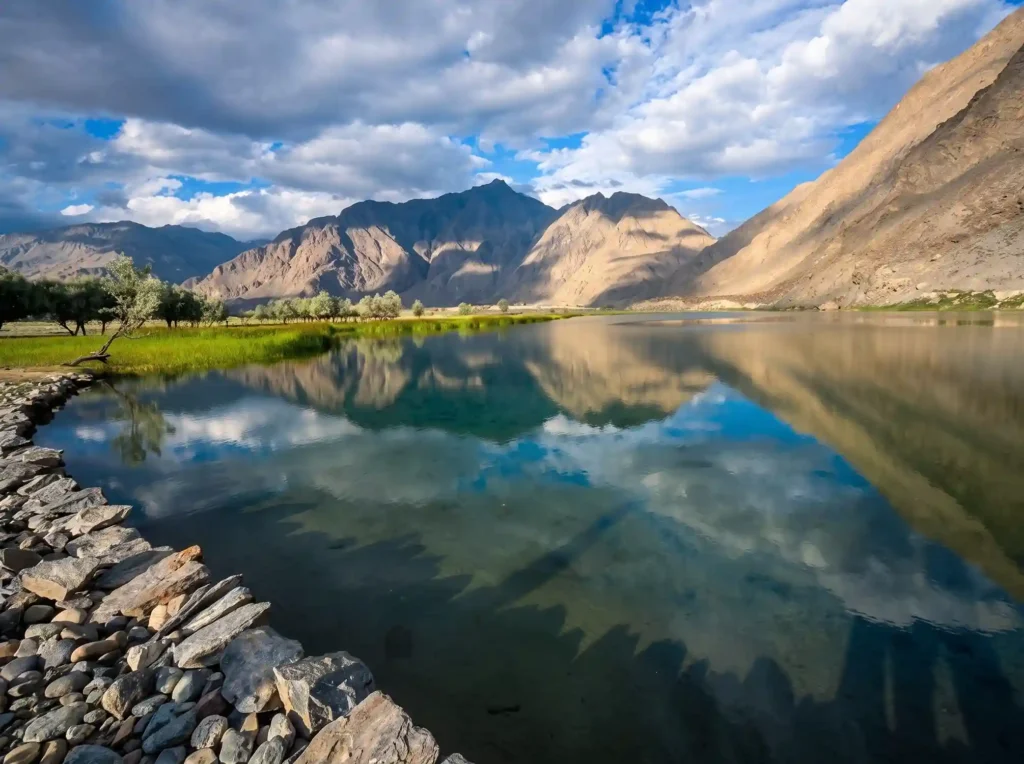
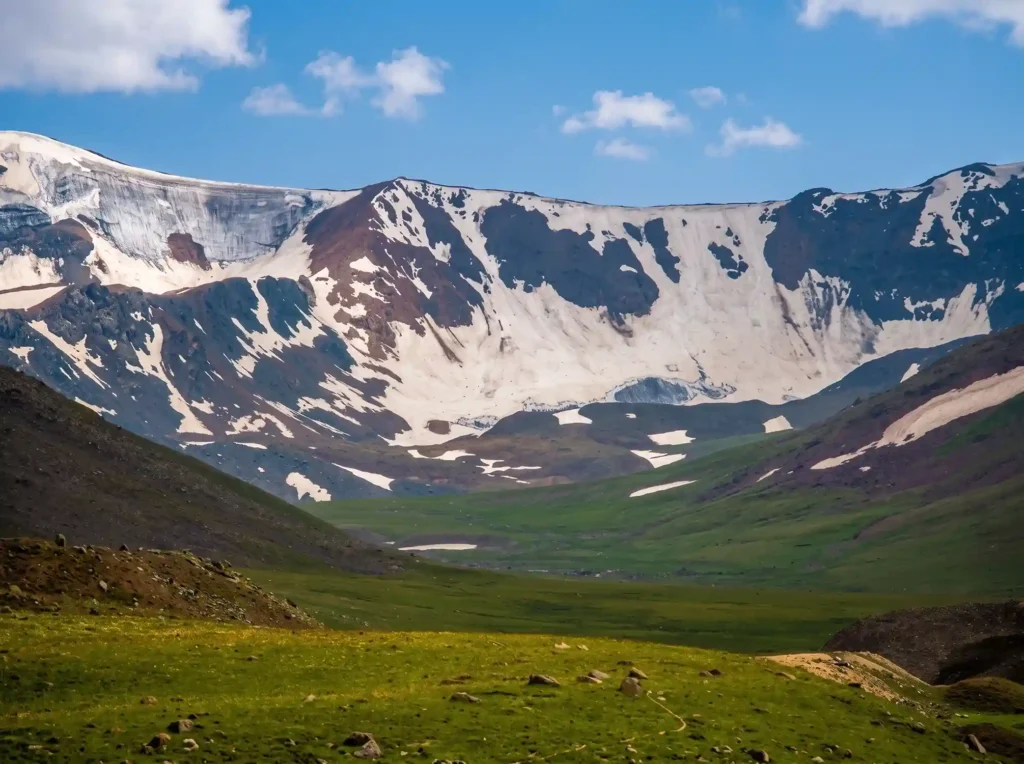
Skardu and its side valleys add a different texture. Shigar’s poplar-lined lanes and Khaplu’s older Balti architecture hold color a bit differently than Hunza’s terraced slopes, and the drive out toward Deosai (weather and road conditions permitting, since the plateau starts closing for winter around this time) gives a stark, treeless contrast to the orchard valleys.
Autumn suits families and older travelers better than peak summer does in some ways: the roads are quieter, hotel availability is easier outside the July-August rush, and daytime temperatures in the main valleys are comfortable for walking around without the summer heat. Nights get cold fast once the sun drops, though, and that catches first-time visitors off guard more than almost anything else.
Quick Tour Facts
| Detail | Information |
| Region covered | Gilgit-Baltistan: Hunza, Nagar, Skardu, Shigar, Khaplu, Ghizer |
| Tour type | Multi-day guided tour, private or small group |
| Typical duration | 6 to 14 days, depending on how many valleys are combined |
| Departure/return point | Islamabad (by road or by air to Skardu/Gilgit) |
| Best travel window | Late September through mid-November |
| Price | Varies by duration, group size, and vehicle type — confirm current rates before booking |
| Transport | Private vehicle (sedan, jeep, or coaster depending on group size and route) |
| Accommodation | Hotels and guesthouses along the route; grade depends on package selected |
| Difficulty | Low for the main valley routes; moderate for Deosai and any side treks |
| Minimum travelers | Available for solo travelers and couples on request; better per-person rates for groups of 4+ |
How the Itinerary Is Usually Built
There’s no single fixed itinerary for “autumn tour packages Pakistan” because the right structure depends on how many days you have and which valleys matter most to you. What follows is the general shape most autumn trips take. For a day-by-day breakdown of a specific route, see the Hunza Tour Package and Skardu Autumn Tour Package pages, which lay out fixed itineraries you can book directly or adjust.
Days 1 to 2 Islamabad to Hunza or Gilgit.
The drive north along the Karakoram Highway takes most of a full day, sometimes stretching into two with stops, depending on road conditions past Chilas. Some travelers fly Islamabad to Gilgit instead to save a day, when flights are operating (this route is weather-dependent and gets cancelled more often in autumn than in summer, so it’s worth holding a road-based backup plan).
Days 2 to 5 Hunza and Nagar.
This block usually includes Karimabad, Altit and Baltit forts, Attabad Lake, and a run up toward Passu and Gulmit if time allows. Nagar’s side valleys, including views toward Rakaposhi, are often added as a day trip from Hunza rather than a separate overnight stop.
Days 5 to 8 Transfer to Skardu and valley exploration.
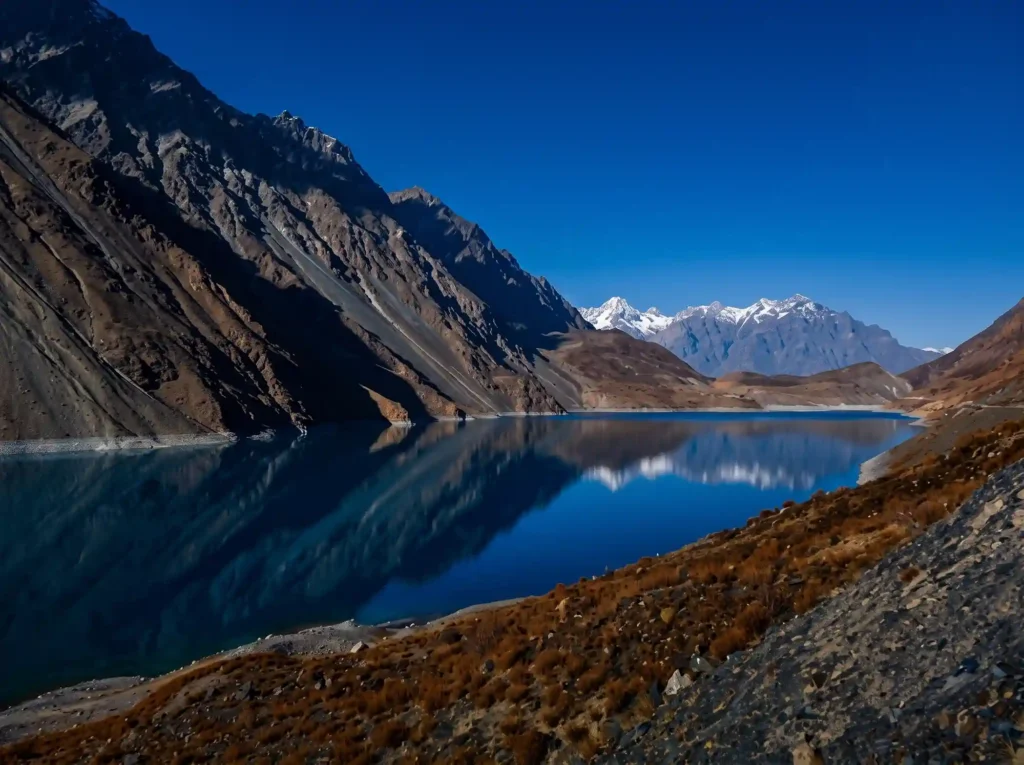
Depending on the route chosen, this leg either backtracks through Gilgit or continues via the Skardu road. Once in Skardu, days typically split between the city itself (Kharpocho Fort, Satpara Lake), a day trip to Shigar, and a day trip to Khaplu.
Days 8 to 9 Deosai (conditions permitting).
This is the leg most likely to change at short notice in autumn. If the road is still open and weather is clear, it’s added as a full-day excursion or overnight camp from Skardu. If not, the itinerary shifts that day toward Kachura Lake or additional time in Shigar or Khaplu instead.
Final days Return to Islamabad.
Either by road, retracing the Karakoram Highway, or by flight from Skardu or Gilgit when weather allows.
Shorter packages (6 to 7 days) typically cover Hunza only, or Skardu only, rather than trying to combine both. Combining both regions properly needs 10 days or more once travel time between them is accounted for.
Recommended Tourist Places in Skardu for Every Traveler
Explore our recommended Skardu tour packages, carefully designed for solo travelers, families, couples, and groups. Choose from flexible Budget, Standard, and Luxury options to match your travel style and budget.
| Tour(s) | Mode of Transport | Budget | Standard | Luxury |
|---|---|---|---|---|
| Skardu Fort (Kharpocho Fort): History, Location and Visitor Guide | By Road | PKR 90,500 | PKR 115,000 | PKR 194,000 |
| Shigar Valley Skardu: Complete Travel Guide, Attractions & Things to Do | By Air | PKR 100,500 | PKR 140,500 | PKR 220,000 |
| Blind Lake Skardu Tour: A Half-Day Trip Through Shigar Valley | By Road | PKR 9,500 | PKR 12,500 | PKR 15,000 |
| Baltit Fort Hunza: Karimabad’s Historic Landmark | By Road | PKR 20,000 | PKR 30,000 | PKR 40,000 |
| Organic Village Skardu Tour: Walk to Nangsoq | By Air | PKR 115,000 | PKR 136,000 | PKR 25,000 |
| Attabad Lake Hunza: Complete Travel Guide | By Air | PKR 130,000 | PKR 150,000 | PKR 235,000 |
| Skardu Autumn Tour Package 2026: Golden Valleys, Lakes and Forts | By Road | PKR 168,000 | PKR 250,000 | PKR 390,000 |
Best Time to Visit for Autumn Colors
Autumn color in Gilgit-Baltistan generally builds from late September, is at its strongest through most of October, and can still hold in sheltered spots into mid-November, though this shifts a little every year depending on temperature and rainfall. There’s no fixed calendar date for “peak,” and any operator who gives you one is guessing.
| Period | General Conditions | Notes |
| Late September | Color just starting in Hunza and Nagar orchards | Warmer days, good for those who want fewer crowds |
| Early to mid-October | Color building across most valleys | Generally considered the strongest window, but varies by year |
| Late October to early November | Peak color in Skardu-side valleys; Hunza may be past peak | Nights noticeably colder; Deosai access becomes uncertain |
| Mid-November onward | Color fading at lower elevations; snow possible at higher points | Deosai typically closed by now; some hotels reduce services |
Because timing shifts year to year, it’s worth confirming current color reports and road status with the team a couple of weeks before departure rather than booking dates a season in advance and assuming they’ll line up.
Cost, Inclusions, and Exclusions
Pricing for autumn tour packages pakistan depends on trip length, group size, vehicle type, and hotel grade, so there isn’t one number that applies across the board. As a general pattern, per-person cost drops as group size increases, since vehicle and driver costs are shared, and a private vehicle for a couple or solo traveler costs more per head than the same route booked as a group of four or more. Confirm current pricing directly with Ilyas Skardu Travels and Tours for your specific dates and group size, since rates can shift with fuel prices and hotel seasonal rates.
Ask for a written breakdown of exactly what’s covered before paying a deposit. This matters more in autumn than in summer because some smaller guesthouses close early in the season, which can shift accommodation choices and cost.
Getting There
Most autumn tours start from Islamabad, since that’s where international flights land. From there, the route north follows the Karakoram Highway through Abbottabad, Besham, and Chilas before reaching Gilgit, then continues toward Hunza or turns off toward Skardu. The drive is long, and autumn brings its own variables: shorter daylight hours mean less flexibility for late starts, and any rain higher up the route can trigger localized landslides that close sections of road for hours at a time.
Domestic flights between Islamabad and both Gilgit and Skardu exist and can save a full day of driving, but they’re small propeller aircraft that depend on clear mountain visibility. In autumn, cancellations are more common than in peak summer, so anyone booking flights should keep a buffer day in their schedule and be prepared to drive if the flight doesn’t go.
Difficulty and Fitness Requirements
The core valley sightseeing (Hunza, Nagar, Skardu, Shigar, Khaplu) doesn’t require any particular fitness level. Most stops involve short walks from the vehicle to a viewpoint, fort, or lakeside, and roads to these are generally in reasonable condition. Altitude in these main valleys sits between roughly 1,500 and 2,500 meters, which most visitors adjust to without issue, though it’s still worth taking the first day easy if you’ve flown in directly rather than driven up gradually.
Deosai is a different story. At over 4,000 meters, cold, thin air, and rough unpaved road conditions mean it should be treated as an optional add-on rather than a guaranteed stop, and anyone with respiratory or cardiac conditions should check with a doctor before including it. If your itinerary includes any side trekking beyond the standard sightseeing stops, ask specifically about the terrain and elevation gain involved.
What to Bring
Autumn temperature swings in Gilgit-Baltistan are sharp: daytime in the main valleys can be pleasant enough for a light jacket, while nights and early mornings, especially by late October, get cold enough for proper insulated layers. Pack for both.
- Layered clothing: base layer, fleece or light insulation, and a windproof outer layer
- A warm jacket for evenings, especially if traveling after mid-October
- Comfortable walking shoes with decent grip for uneven fort and viewpoint paths
- Sunglasses and sunscreen (high altitude sun is stronger than it feels)
- A basic first aid kit and any personal medication
- A power bank, since charging opportunities can be limited in smaller guesthouses
- A camera with a spare battery or two, since cold temperatures drain batteries faster
Important Travel Information
Foreign nationals traveling into parts of Gilgit-Baltistan, particularly areas near the border regions, may need a No Objection Certificate (NOC) or specific permits depending on current regulations. These requirements change, so confirm exactly what applies to your nationality and route before departure rather than assuming last year’s rules still hold.
Mobile signal is inconsistent once you’re off the main highway, particularly in side valleys like Shigar and Khaplu, so let people at home know you may be unreachable for stretches. Road conditions past Chilas are subject to landslides and occasional closures for maintenance, more so if there’s been rain, and this is genuinely unpredictable rather than something a fixed schedule can plan around perfectly. Build a spare day or two into any itinerary if your return flight home is tight.
Photography is generally unrestricted at the main tourist sites, but avoid photographing military checkpoints, installations, or personnel anywhere along the route, which is treated seriously.
Booking Information
To book an autumn tour package, contact Ilyas Skardu Travels and Tours with your preferred travel dates, group size, and which valleys matter most to you. Because autumn dates fill up in the strongest color weeks (roughly early to mid-October), it’s worth reaching out several weeks ahead rather than a few days before you want to travel. A deposit is typically required to confirm dates, with the balance due before or at the start of the tour; exact terms will be confirmed at booking.
If you’re not sure how many days you need or which route fits your group, ask about a customized itinerary rather than forcing your trip into a fixed package that doesn’t quite match what you want to see.
Related Tours
- Skardu Tour Packages — general Skardu itineraries across seasons
- Skardu Autumn Tour Package — a fixed autumn-specific route through Skardu and its side valleys
- Hunza Tour Package — Hunza and Nagar focused itineraries
- Gilgit-Baltistan Tour Packages — combined multi-region routes
- Deosai National Park Tour — for travelers hoping to add Deosai, conditions permitting
- Khaplu Valley Tour — a closer look at Khaplu’s forts and villages
- Shigar Valley Tour — Shigar-specific itinerary and highlights
- Kharpocho Fort Skardu — visiting the fort overlooking Skardu city
- Manthoka Waterfall Skardu — a common add-on stop near Khaplu
Tour Highlights
- Orchard color along the Hunza and Nagar terraces, usually strongest from mid-October
- Baltit Fort and Altit Fort viewed against turning poplar trees rather than bare hillsides
- Shigar Valley's quieter pace, with Shigar Fort and the surrounding orchards
- Khaplu's older stone-and-wood architecture and the Khaplu Fort complex
- Attabad Lake's turquoise water set against autumn-colored slopes
- Kharpocho Fort and the old town views over Skardu city
- Kachura and Satpara lakes, both easy half-day stops from Skardu
- A last chance (weather permitting) to reach Deosai National Park before winter closure
- Local harvest activity in the orchards, since autumn overlaps with apricot and apple picking in many villages
- Photography light that's noticeably softer and more angled than in summer
Included
- Private transport for the full route (vehicle type depends on group size and terrain)
- Accommodation as specified in the chosen package
- A driver familiar with the route and current road conditions
- Airport or city pickup and drop-off as arranged
Excluded
- International or domestic airfare unless specifically stated
- Meals not listed in the package (many packages include breakfast only, or breakfast and dinner)
- Personal expenses, tips, and optional activities
- Travel insurance
- Any permit fees for restricted areas, where applicable
Gallery