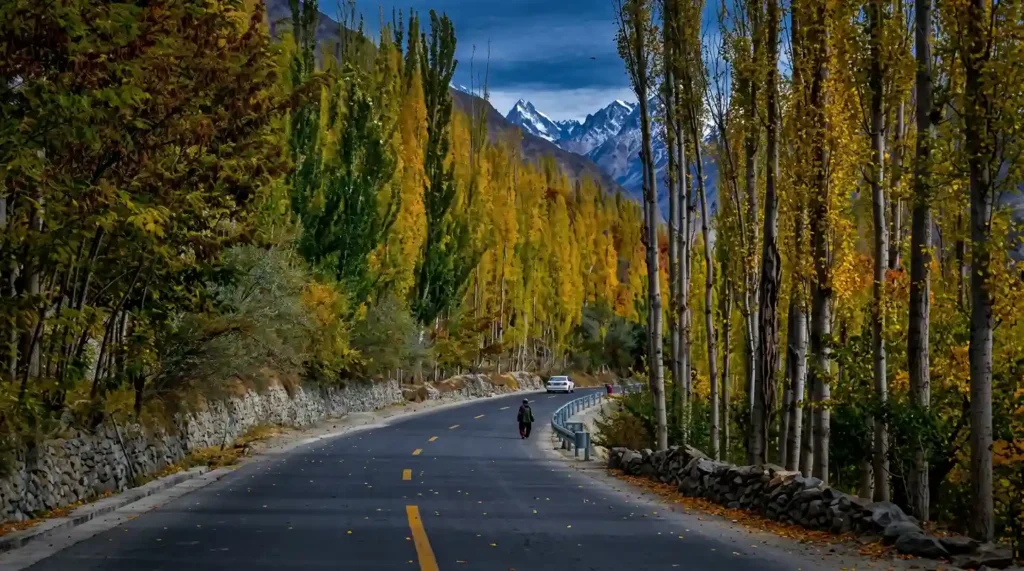
If you ask ten people why they want to go to Hunza, you’ll get ten different answers, and most of them will be right. Some want to stand at Eagle’s Nest at sunrise and watch five mountains turn gold at once. Some want the drive itself, the long ribbon of the Karakoram Highway threading through gorges that get deeper the further north you go. Some just want three quiet days away from a city, in a valley where the loudest sound most mornings is a rooster and a river.
A Hunza Tour Package from Ilyas Skardu Travels & Tours is built around that variety rather than against it. The core route through Karimabad, Attabad Lake, Passu, and Khunjerab Pass stays the same because those places genuinely are the reason people come. What changes is the pace: a tighter 3-day version for people short on time, a fuller 5 to 7 day version for those who want Khunjerab Pass, Duikar, and a slower walk through Karimabad’s bazaar without feeling rushed. Every itinerary on this page can be adjusted for your dates, your group size, and the season you’re traveling in.
Hunza sits in Gilgit-Baltistan in northern Pakistan, roughly 600 to 650 kilometers from Islamabad by road, and it can also be reached by a short domestic flight to Gilgit followed by a two to three-hour drive. Both routes are covered in detail below, along with what actually changes between spring, summer, autumn, and winter travel.
Hunza Tour Package Overview
The route follows the Karakoram Highway (the N-35) north from either Islamabad or Gilgit, into the district of Hunza-Nagar. Most travelers base themselves in or around Karimabad, the valley’s main town, and use it as a launch point for day trips to Attabad Lake, Passu, and, on longer itineraries, Khunjerab Pass at the Chinese border.
What makes Hunza different from a lot of other mountain destinations in Pakistan is how much you can see without serious trekking. Baltit Fort and Altit Fort are short walks with some stairs. Attabad Lake is a roadside stop with a boat ride. Eagle’s Nest requires a jeep, not a hike. Even Hussaini Suspension Bridge, which looks intimidating in photos, is a five to ten minute crossing rather than a physical challenge. This is part of why the valley works so well for families and for travelers who want scenery without needing to train for it, while still offering enough on the adventure side (paragliding in season, glacier walks near Passu, the Khunjerab day trip to 4,693 meters) for people who want more.
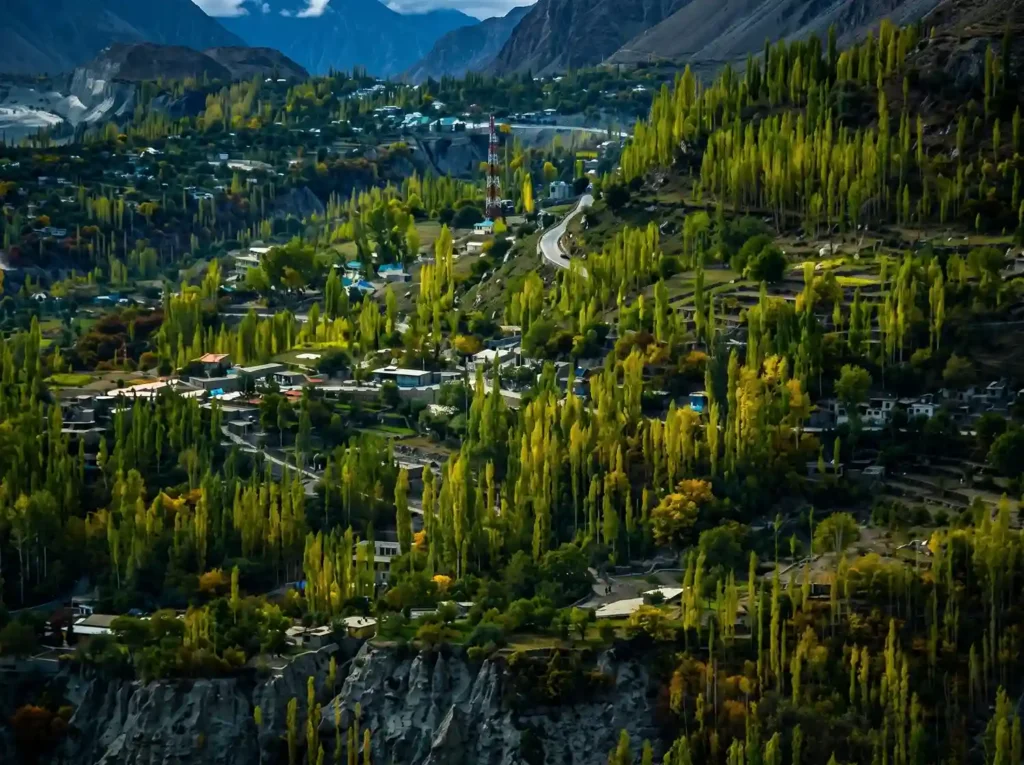
The valley itself sits at around 2,400 to 2,600 meters, cut through by the Hunza River, with Rakaposhi (7,788m) visible from much of the drive in and Ultar Sar rising directly above Karimabad. Terraced orchards and stone-and-wood Hunzai architecture line the lower slopes; above them, the peaks stay snow-covered even in July.
Quick Tour Facts
| Detail | Information |
| Tour name | Hunza Tour Package |
| Destination | Hunza Valley, Gilgit-Baltistan, Pakistan |
| Duration | 3 to 7 days, fully customizable |
| Departure/return | Islamabad, Rawalpindi, Skardu, or Gilgit, depending on the selected package |
| Tour type | Sightseeing, nature, cultural, and light adventure |
| Transport | Private car, jeep, or coaster depending on group size |
| Accommodation | Hotels or guesthouses in Hunza, selected by package category |
| Difficulty | Easy to moderate |
| Best time to visit | April to October |
| Price | Varies by season, group size, and vehicle. Contact us for current rates. |
Detailed Itinerary
The itinerary below is written for the 5-day version of the package, since it’s the length most travelers end up choosing. A 3-day version drops Khunjerab Pass and Duikar; a 7-day version adds Hopper Glacier in Nagar and a slower pace through Upper Hunza.
Day 1: Departure Toward Hunza
The journey starts early, usually by 6 or 7 AM, since the drive from Islamabad covers most of the day. Most itineraries break the trip with an overnight stop in Chilas or Gilgit rather than attempting the full stretch in one push (more on why in the transportation section below). Along the way, the road passes through Kohistan and runs close enough to Nanga Parbat for a photo stop on a clear day. Check-in happens either in Chilas or, if road conditions and timing allow, directly in Hunza.
Day 2: Karimabad, Baltit Fort, and Altit Fort
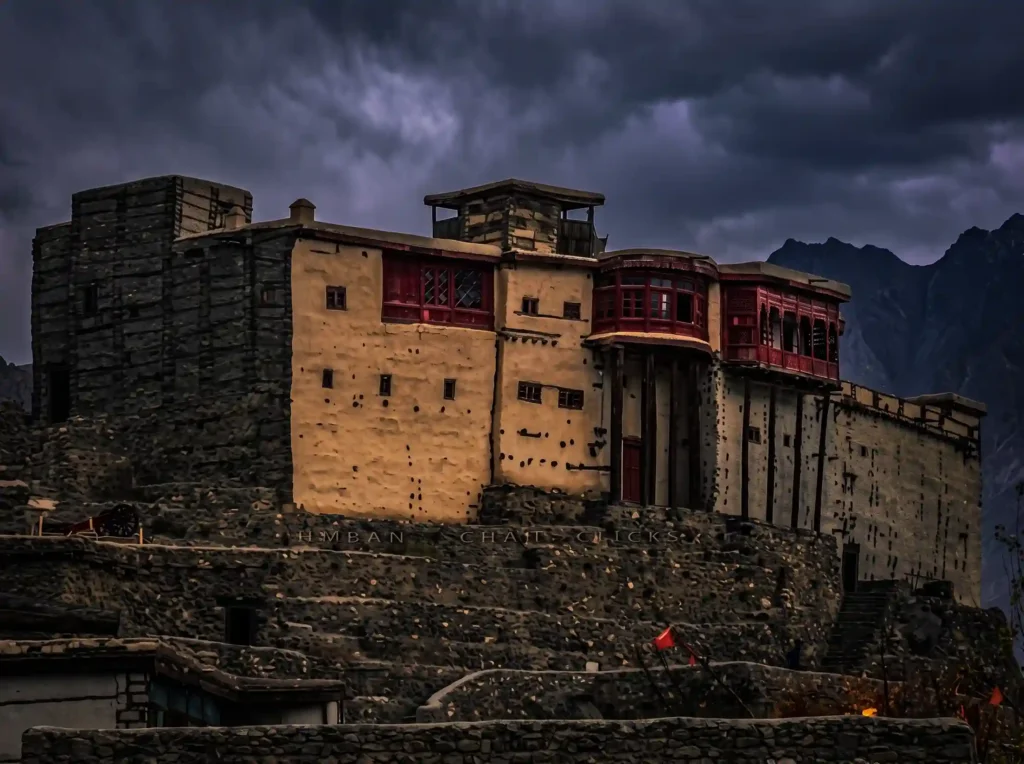
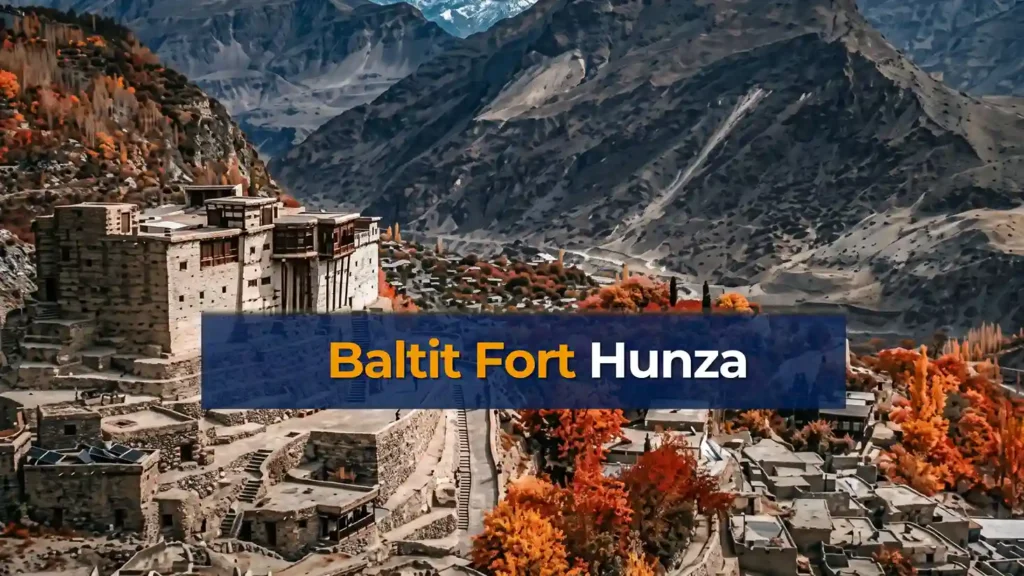
This is the day built around Hunza’s history. Baltit Fort sits above Karimabad on a rocky spur, and the walk up gives you the valley’s best free viewpoint before you’ve even paid for a ticket. Inside, the museum rooms are small and low-ceilinged in the older sections, a reminder that this was a working fort, not a palace built for show. Altit Fort, a short drive or walk away, is older and quieter, with detailed wood carving and a walk through Altit Village’s narrow stone lanes that most travelers say they didn’t expect to enjoy as much as they did. Afternoon is usually left open for Karimabad’s bazaar.
Day 3: Attabad Lake, Gulmit, and Passu Cones
The drive north from Karimabad passes through a series of tunnels built after the 2010 landslide submerged the original highway. Attabad Lake itself is the payoff: boats run across sections of the turquoise water, and most people spend an hour or two here rather than rushing through. Continuing on, Gulmit offers a quieter alternative base if you’d rather split your stay between lower and upper Hunza. The Passu Cones come into view along the highway itself, no detour required, and Hussaini Suspension Bridge is a short stop nearby for anyone who wants to cross it (it’s optional, and skipping it doesn’t cost you the view).
Day 4: Khunjerab Pass or Extended Hunza Exploration
Whether this day happens depends entirely on the season and current road status at Khunjerab (see the seasonal section below). When it’s running, this is a full-day round trip from Karimabad to the Pakistan-China border at 4,693 meters, passing through Sost and Khunjerab National Park along the way. When the pass is closed for winter, or if the extra distance doesn’t suit your itinerary, this day is used instead for Duikar (Eagle’s Nest), Hopper Glacier in Nagar, or a slower walk around Ganesh Village and the Karimabad orchards.
Day 5: Return Journey
Most itineraries start the drive back early, with a lunch stop in Chilas or Besham and arrival in Islamabad by evening. Travelers using the air option instead fly out of Gilgit, which cuts this day down to a two to three hour drive plus a roughly one-hour flight.
The itinerary can be shortened, extended, or rearranged around your travel dates, the season, and how much driving your group wants to do in a day. If you’re combining this with a Skardu trip, ask about connecting the two rather than treating them as separate bookings.
Best Time to Visit Hunza
April to October is generally the best window, but the four seasons genuinely feel different in Hunza, and which one suits you depends on what you want from the trip.
| Season | Months | What to expect |
| Spring | April to June | Apricot, cherry, and almond blossoms typically appear in April, orchards are at their most photogenic, daytime temperatures are mild, and crowds are lighter than summer. Nights can still be cold. |
| Summer | July to August | Peak season. Valley daytime temperatures often reach the mid-20s to low 30s Celsius, evenings cool considerably. This is when Khunjerab Pass is most reliably open and when hotel demand is highest, so advance booking matters more. |
| Autumn | September to October | Poplar and apple trees turn gold and red, skies are typically clear, and this is considered by many repeat visitors to be the most photogenic season. Nights get noticeably cold by late October. |
| Winter | November to March | Snow settles on the valley floor and surrounding peaks. Khunjerab Pass closes for the season (see below), some smaller guesthouses reduce services, and the drive itself needs more buffer time, though the KKH into Hunza generally stays passable. This is the quietest and least crowded season. |
A note specific to Khunjerab Pass: the border crossing typically closes to tourist traffic from around late November or December through April due to snow at the 4,693-meter pass, though the exact dates shift year to year depending on snowfall and are set by both the Pakistani and Chinese sides. If a Khunjerab day trip matters to your itinerary, this is worth confirming with us close to your travel date rather than assuming a fixed calendar window.
Cost, Inclusions, and Exclusions
Price varies by season, group size, vehicle type, and accommodation category. Peak summer months and major holidays typically cost more due to higher hotel demand along the route. Contact us for current rates for your specific dates and group size.
Getting to Hunza
There are two realistic ways to reach Hunza, and each suits a different kind of traveler.
By road, the distance from Islamabad to Hunza runs roughly 600 to 650 kilometers along the Karakoram Highway, and the actual driving time is typically 14 to 18 hours depending on traffic, roadwork, and weather. Because that’s too long to comfortably manage in one sitting, most itineraries split the trip over two days, with an overnight stop in Chilas or Gilgit before continuing into Hunza the next morning. The standard route runs Islamabad, the Hazara Motorway, Mansehra, Besham, Dasu, Chilas, Gilgit, then Hunza. In summer, a second route via Naran and Babusar Top is also used by some operators, though Babusar Pass is a seasonal, weather-dependent route and isn’t a reliable option outside the warmer months.
By air, you fly from Islamabad, Lahore, or Karachi to Gilgit (roughly a one-hour flight from Islamabad, on limited weekly schedules), then drive the remaining two to three hours into Hunza. This cuts a full day of driving out of the trip, which matters if your group is short on time, though flights to Gilgit are genuinely weather-dependent and can be delayed or cancelled at short notice when cloud cover sits over the valley. If your schedule is tight, it’s worth building in at least one buffer day around a flight rather than booking a connecting flight or event for the same day.
A practical note the drive itself deserves: the Karakoram Highway is a real mountain road, not a motorway. It runs through seismically active terrain, and landslides can close short sections temporarily, particularly during the summer monsoon period further south around Kohistan (Hunza itself sits in a rain shadow and sees far less monsoon rainfall than the Kohistan stretch of the drive). Night driving on the mountain sections is generally avoided, both for safety and because you’d miss the scenery that’s a big part of why people choose the road option in the first place.
Recommended Skardu Tour Packages for Every Traveler
Explore our recommended Skardu tour packages, carefully designed for solo travelers, families, couples, and groups. Choose from flexible Budget, Standard, and Luxury options to match your travel style and budget.
| Tour(s) | Mode of Transport | Budget | Standard | Luxury |
|---|---|---|---|---|
| Skardu Tour Packages from Islamabad | By Road | PKR 90,500 | PKR 115,000 | PKR 194,000 |
| K2 Base Camp Trek | By Air | PKR 100,500 | PKR 140,500 | PKR 220,000 |
| Soq Valley Skardu Tour | By Road | PKR 9,500 | PKR 12,500 | PKR 15,000 |
| Baltit Fort Hunza: Karimabad’s Historic Landmark | By Road | PKR 20,000 | PKR 30,000 | PKR 40,000 |
| Marsur Rock Skardu Tour | By Air | PKR 115,000 | PKR 136,000 | PKR 25,000 |
| Satpara Lake Skardu | By Air | PKR 130,000 | PKR 150,000 | PKR 235,000 |
| Deosai National Park Skardu Tour | By Road | PKR 168,000 | PKR 250,000 | PKR 390,000 |
Difficulty and Fitness Requirements
This package is rated easy to moderate, and basic fitness is genuinely sufficient for almost everyone on the standard itinerary. A few specifics worth knowing before you go:
- Baltit Fort and Altit Fort both involve stone stairs and some uneven flooring inside; not wheelchair accessible, but manageable for most ages with a bit of care.
- The road up to Eagle’s Nest at Duikar is rough and unpaved, gaining roughly 700 meters above Karimabad. It requires a 4×4 jeep rather than a sedan, and the ride itself, not a hike, is how most travelers reach the viewpoint.
- Hussaini Suspension Bridge is optional. Crossing it takes balance and comfort with heights and swaying motion rather than physical fitness; it’s entirely fine to skip it and still see the view.
- A Khunjerab Pass day trip takes you from roughly 2,500 meters in Hunza to 4,693 meters at the border, in a single day, by vehicle. Some visitors feel mild effects at that altitude, such as a headache or shortness of breath on exertion. This isn’t the same as the multi-day acclimatization concern on a trek, since you’re not sleeping at altitude, but it’s worth pacing yourself, staying hydrated, and mentioning any heart or respiratory conditions to your driver or guide before the trip if relevant.
What to Bring
Hunza’s weather swings more than the valley-floor temperature suggests, especially if Khunjerab Pass is part of your itinerary.
- Comfortable, closed walking shoes for fort visits and short walks
- A warm layer even in summer; evenings in the valley cool down, and Khunjerab Pass stays cold year-round, with daytime temperatures at the pass often in the single digits Celsius even in July and August
- Sunglasses and sunscreen; the altitude and clear mountain air mean stronger sun exposure than the temperature alone suggests
- A light rain layer, particularly if traveling during the summer months
- A basic first-aid kit with any personal medication, since pharmacies thin out north of Gilgit
- A power bank, since long driving days and cold temperatures both drain phone batteries faster than usual
- Cash in Pakistani Rupees (see the section below on ATMs and connectivity)
Important Travel Information
Permits. No special NOC (No Objection Certificate) is currently required for foreign or domestic tourists visiting Hunza, Karimabad, Attabad Lake, Passu, or Khunjerab Pass as part of a standard tourist itinerary. A valid passport (for foreign nationals) or CNIC (for Pakistani nationals) is sufficient at checkpoints along the route. NOCs only come into play for specific restricted trekking zones elsewhere in Gilgit-Baltistan, which don’t apply to this itinerary. Since rules can be updated, it’s worth confirming current requirements with us if your travel dates are close to any policy change you’ve read about elsewhere.
Connectivity. Mobile coverage in Hunza is real but not universal. SCOM (the government-operated network) has the most consistent coverage across the valley, including areas where private operators like Jazz, Zong, and Telenor are weak or absent. If staying connected matters to you, especially for calls to family or coordinating with your driver, consider picking up an SCOM SIM once you arrive; foreign nationals need their passport to register one. Most mid-range and above hotels in Karimabad now offer Wi-Fi, though speeds vary and shouldn’t be relied on for anything data-heavy.
Cash and cards. ATMs exist in Gilgit and in parts of Hunza (Aliabad in particular), but they’re not consistently reliable for foreign cards, and machines can run out of cash during peak season. Card acceptance is improving at larger hotels but shouldn’t be assumed anywhere else, including most restaurants, smaller guesthouses, and the Karimabad bazaar. The safe approach is to carry enough Pakistani Rupees in cash for your trip before heading north, and top up in Gilgit if needed rather than relying on Hunza itself.
Photography. Photography is generally unrestricted at tourist sites, forts, and viewpoints. Some sensitive areas near Khunjerab Pass and border checkpoints have restrictions on photographing military or border infrastructure specifically; your guide or driver can point these out on the day.
Weather flexibility. Because road conditions, temporary closures, and weather at altitude can all shift an itinerary on short notice, it helps to go in with some flexibility built into your expectations, particularly around the Khunjerab Pass day and the Duikar sunrise or sunset timing, both of which depend on clear conditions to be worth the trip up.
Booking Information
Advance booking is recommended during the summer months (June to August) and around major holidays, when hotel availability across Karimabad and Gilgit tightens considerably. For current prices, hotel options, vehicle availability, and a customized itinerary built around your dates, contact our team directly, or start with a customized tour request if the standard 3-to-7-day structure doesn’t quite match what you’re planning.
Tour Highlights
- Baltit Fort, the roughly 700-year-old former seat of the Mirs of Hunza, restored by the Aga Khan Trust for Culture and now a museum overlooking Karimabad
- Altit Fort and Altit Village, older than Baltit and known for its carved wooden interiors and narrow lanes
- Attabad Lake, a turquoise lake formed by a 2010 landslide, with boating and jet-skiing available
- Passu Cones, the jagged granite spires locals call the Passu Cathedral, visible from the highway itself
- Hussaini Suspension Bridge, a swaying wood-and-cable footbridge over the Hunza River
- Eagle's Nest at Duikar, a jeep-accessible viewpoint with a five-peak panorama at sunrise or sunset
- Khunjerab Pass, the highest paved international border in the world, on itineraries of 5 days or more
- Karimabad Bazaar for local handicrafts, dried fruit, and Hunzai walnut cake
- Ganesh Village, a UNESCO-listed Silk Road settlement with centuries-old rock carvings near Karimabad
Included
- Transportation according to the selected package (private car, jeep, or coaster)
- Hotel accommodation according to the chosen package category
- Driver or guide assistance, where included in the package
- Trip coordination and route planning
- Sightseeing according to the itinerary
Excluded
- Meals, unless specifically included in your package
- Personal expenses and shopping
- Entry tickets for forts and attractions (Baltit Fort, Altit Fort)
- Boating and jet-ski charges at Attabad Lake
- Accommodation outside the selected package category
- Guide charges where these are separate from the driver
- Additional activities such as paragliding
Gallery