Skardu is not a place you can half-plan. The roads demand respect, the altitude catches people off guard, and the sheer number of options from K2 base camp treks to quiet lake drives means a bad agency or the wrong vehicle can turn a bucket-list trip into a logistical nightmare.
This guide covers what you actually need to know about choosing a Skardu travel agency, picking the right Skardu tour package renting the right vehicle, and eating well while you’re there. Whether you’re visiting in summer or pushing the season into October, the information below will help you make decisions with confidence.
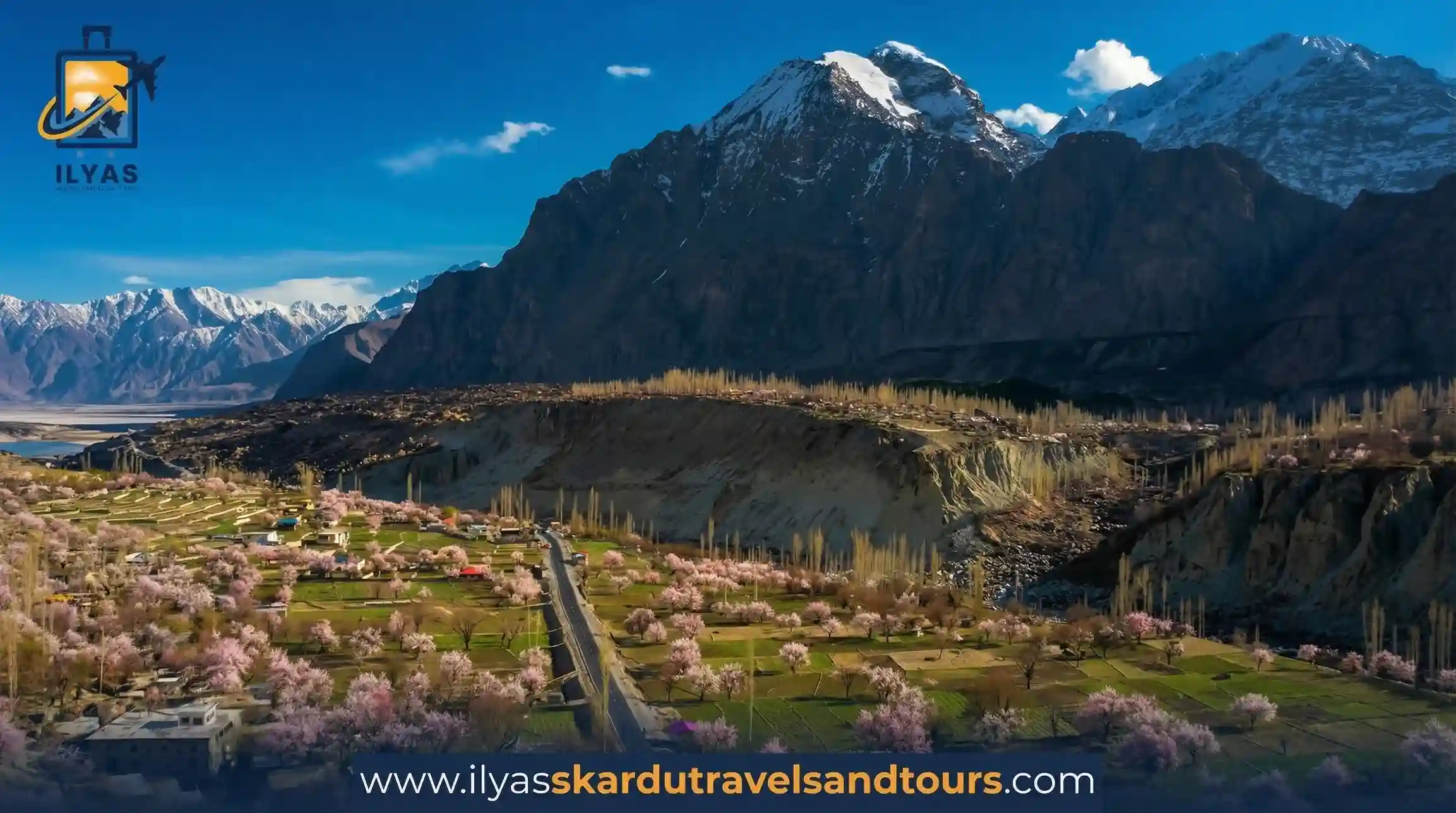
Why Skardu Requires Specialized Planning
Most travelers arrive in Skardu having booked a tour from Lahore, Islamabad, or through a national aggregator. That’s not necessarily wrong, but it often means you’re dealing with a middleman who has never driven the Satpara road in the rain or knows which jeep tracks near Hushe Valley are passable in early June.
Local expertise matters here in a way it doesn’t in, say, Lahore or Murree. The terrain is serious. Permit requirements change. Certain valleys require an NOC. Weather windows are short. A locally based skardu travel and tours company that operates vehicles year-round simply knows things that a Karachi-based travel desk doesn’t.
That’s the starting point: local vs. aggregator. For a short Skardu city circuit, either works. For anything involving treks, remote valleys, or winter travel, go local.
What Makes a Good Skardu Travel Agency
You’ll find dozens of operators advertising skardu travel packages online. Here’s how to tell them apart.
Transparency on Pricing
A credible agency gives you a clear breakdown: vehicle cost per day, driver charges, accommodation, meals, guide fees, and permit costs. If you’re getting a lump-sum quote with no itemization, ask for one. If they won’t provide it, that’s a signal.
Typical costs in 2026:
- Toyota Land Cruiser hire (with driver): PKR 18,000–28,000/day depending on route difficulty
- Basic tour package (3–5 days, Skardu city + Deosai + Shangrila): PKR 35,000–65,000 per person
- K2 base camp / Concordia trek packages: PKR 180,000–380,000+ depending on duration and group size
These are ballpark ranges. Prices vary with season, group size, and fuel costs, which have been volatile.
Local Vehicle Fleet
A good skardu travel agency owns or directly manages its vehicles. You want to know: how old is the Land Cruiser? Is it maintained in-house? Who services it? A 2010 Land Cruiser maintained properly beats a 2018 one that hasn’t been serviced since it arrived.
Ask to see the vehicle before you depart. This is normal practice and a reputable agency won’t take offense.
Experience with Permits
Certain areas require an NOC from the Gilgit-Baltistan government or specific district authorities. These include parts of Ghanche district, areas near Hushe and Kondus valleys, and zones close to the Line of Control. A professional agency handles this for you with lead time built into the itinerary. If they mention permits as an afterthought, that’s a problem.
Guides Who Actually Know the Route
The best local guides have done the Baltoro Glacier approach enough times to know which weather windows are reliable in which month. For serious treks, this experience is non-negotiable. Ask specifically how many times your assigned guide has done the route you’re planning.
Professional Local Guides – Skardu Travel Agency
An experienced Skardu travel agency provides guides who actually know the routes. The best local guides have completed the Baltoro Glacier approach many times and know which weather windows are reliable in each month.
For serious treks, this experience is non-negotiable. Always ask how many times your assigned guide has completed the route you’re planning.
Ilyas Skardu Travels and Tours: A Local Option Worth Knowing
One operator that consistently comes up among returning visitors is Ilyas Skardu Travels and Tours (also referred to as Ilyas International Travels & Tours). Based locally in Skardu, they handle everything from airport transfers and car rental to multi-day trek packages.
What sets them apart from larger national tour operators is the depth of local knowledge. They’re not routing your inquiry through a Karachi office the team is on the ground in Baltistan. They know road conditions in real time, have established relationships with guesthouses across Khaplu and Shigar, and can adjust itineraries on the fly if weather changes, which it will.
For travelers who want a skardu travel experience that feels genuinely guided rather than packaged, they’re worth a direct inquiry. They cater to both independent travelers who just need a reliable vehicle and driver, and groups looking for fully managed tour packages covering Deosai, Shangrila, the Upper and Lower Kachura Lakes, and Satpara.
Skardu Tour Packages: What to Expect
Skardu travel packages range from 3-day city circuits to 24-day K2 base camp expeditions. Here’s a breakdown by category.

3–5 Day Skardu City Packages
These cover the core highlights: Shangrila Resort, Upper and Lower Kachura Lake, Satpara Lake, Shigar Fort, and the Skardu Bazaar. Good for first-timers, families, or anyone with limited leave.
Typically included: Vehicle with driver, guesthouse accommodation, basic meals, fuel Typically excluded: Guide fees (sometimes optional on short circuits), permits, personal expenses, airfare

5–8 Day Gilgit-Baltistan Explorer
Extends into Deosai National Park (best July–September), possibly Khaplu, and Sheosar Lake. Deosai is the real draw here a high-altitude plateau at 4,114m that’s one of the highest in the world. Brown bears, wildflowers, and skies that feel impossibly clear. It’s worth building your entire trip around.

10–16 Day K2 Base Camp or Concordia Trek
This is what puts Skardu on serious trekkers’ maps. The Baltoro Glacier approach through Askole, passing Gasherbrum, Broad Peak, and K2 is genuinely one of the great mountain experiences on earth. Packages include full camping gear, porters, cooks, and guides. The logistics are substantial plan at least 6 months ahead during peak season (June–August).

Custom Packages
Most good local agencies, including Ilyas Skardu Travels and Tours, will build a custom itinerary if you ask. If you want 4 days in Hushe Valley rather than the standard circuit, that’s a conversation worth having.
Car Rental in Skardu: Which Vehicle Do You Actually Need?
This section answers one of the most searched questions for anyone planning skardu travel: what’s the best vehicle for going to Skardu roads?
The short answer: 4WD is not optional for most routes outside the city.

Toyota Land Cruiser (70 or 80 Series)
The workhorse of Baltistan. Most rent a car in skardu operators run these because they’re proven on rough terrain, parts are available locally, and experienced drivers know them instinctively. For Deosai, Hushe Valley, or the Biafo Glacier approach, this is your vehicle.
Toyota Land Cruiser Prado
Better ride comfort, good clearance, popular for family groups doing the main circuit. Not ideal for technical off-road routes but handles the Skardu–Khaplu road comfortably.
Suzuki Jimny
Surprisingly capable on mountain tracks but limited to 2–3 passengers and small luggage. Some younger independent travelers use these for solo or couple trips. Not suitable for large groups or heavy gear.
Suzuki Cultus / Alto (City Only)
If you’re staying entirely in Skardu city and doing paved routes only, a standard sedan works. But the moment you head toward Deosai or any of the secondary valleys, you need 4WD.
With Driver vs. Self-Drive
Car rental skardu is almost universally offered with a driver. Self-drive hire is uncommon and agencies are reluctant to offer it for liability reasons and honestly, local knowledge of which shortcuts exist, where to stop for fuel, and how to handle army checkpoints makes having a driver genuinely valuable, not just legally convenient.
If you’re an experienced off-road driver who knows the region well, you can sometimes negotiate self-drive on specific routes. But for a first trip, go with a driver.
Best Time to Visit Skardu
| Month | Conditions | Best for |
| April–May | Cool, some road closures clearing | Wildflowers, fewer crowds |
| June–August | Peak season, warm, all routes open | K2/Concordia, Deosai, full circuit |
| September–October | Autumn colors, cooler nights | Photography, landscape, fewer tourists |
| November–March | Harsh, many roads closed | Snow, off-season guesthouses, isolation |
Deosai is accessible June through September only. Baltoro Glacier treks are best June through early August. If you’re coming from a place with harsh weather tolerance and want silence and snow, Skardu in November is extraordinary but plan carefully because services thin out dramatically.
Baltistan Food: What to Eat While You’re There
Baltistan food gets overlooked in most travel guides, which is a shame because it’s genuinely good and reflects centuries of Central Asian and Tibetan influence. Travelers who are exploring the region’s heritage can also check out the Cultural Tours of Skardu to experience both the local cuisine and the rich traditions of Baltistan.

Butter Tea (Namkeen Chai)
You’ll encounter this everywhere. Salted, made with yak butter traditionally (or cow butter more commonly now), and an acquired taste for most visitors. Drink it for the experience and the warmth.
Mamtu (Steamed Dumplings)
Similar to Tibetan momos but slightly different seasoning. Usually filled with minced meat and onion. Found in local dhabas and small restaurants throughout Skardu bazaar. One of the best things you’ll eat.
Tsampa
Roasted barley flour, often mixed with butter tea or water. A staple that sustained people through Karakoram winters for generations. Simple, dense, filling.
Skyu
A traditional pasta-like dish made with whole wheat flour, cooked with vegetables and sometimes meat. Hearty and warming. Found in local homes and some traditional restaurants.
Apricot Products
Baltistan produces excellent apricots. The dried ones make a great snack on treks. Apricot oil is sold in the bazaar and is worth picking up.
For the best baltistan food experience, skip the tourist restaurants in the main bazaar and ask your driver where locals eat. The difference is usually meaningful.
Getting to Skardu: Your Options
By Air
PIA operates flights between Islamabad and Skardu, subject to weather. The flight takes about an hour and is spectacular — if clouds clear you’ll see K2, Nanga Parbat, and the Karakorams laid out below you. But flights cancel regularly in bad weather. Always have a backup plan.
Tip: Book the morning flight when possible. Weather deteriorates through the day.
By Road
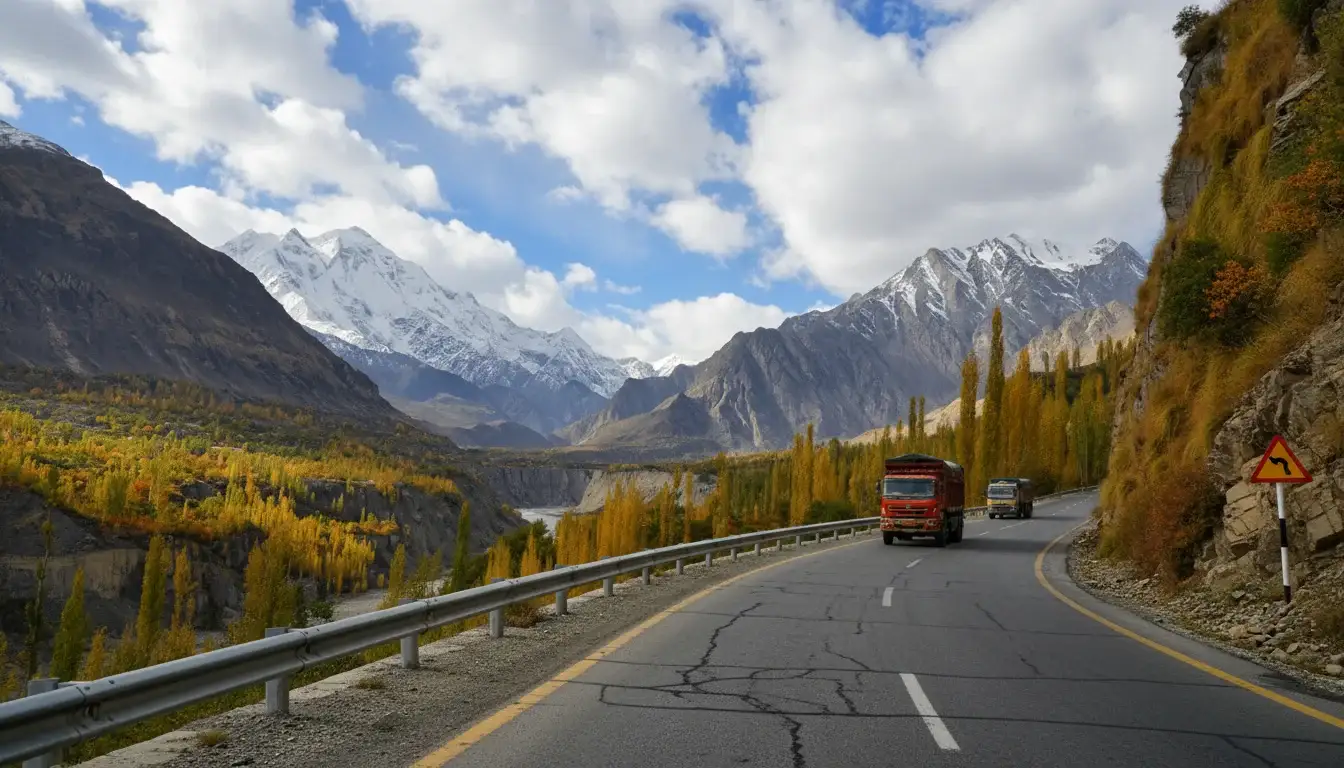
The Karakoram Highway from Islamabad to Gilgit, then the Skardu Road is roughly 700km and takes 18–20 hours by road. NATCO buses run this route. You can also hire a vehicle from Gilgit for the final 4–5 hour stretch. The road is dramatic, sometimes hairy, and genuinely worth doing at least one way.
Documents and Permits: What You Actually Need
- CNIC or Passport: Required at checkpoints throughout Gilgit-Baltistan
- NOC for restricted zones: Required for Khunjerab, areas near the LOC, and some Ghanche district valleys
- Trekking permits: Required for certain high-altitude treks (K2 base camp area)
- Foreign nationals: Additional registration requirements; your agency should handle this
A reliable skardu travel and tours company handles all permit paperwork as part of the package. Confirm this explicitly before booking.
Common Mistakes First-Time Visitors Make
Underestimating altitude. Skardu sits at 2,228m. Deosai is at 4,114m. Ascent should be gradual. Headaches, fatigue, and nausea are real. Give yourself acclimatization time.
Booking too late. June–August slots at good guesthouses and for K2/Concordia treks fill 3–6 months out. If you’re going in peak season, plan accordingly.
Bringing the wrong gear. Even in July, nights at altitude are cold. A proper sleeping bag rated to -5°C or lower is not excessive. Pack layers.
Skipping the local food. The mamtu you eat from a roadside spot will be better than anything from the hotel restaurant. Be adventurous.
Trusting online pricing at face value. Fuel surcharges, bridge tolls, permit fees, and porter costs add up. Get a detailed written quote.
Actionable Next Steps
- Define your trip type first. City circuit, Deosai extension, or full trek the planning timeline and budget are completely different.
- Contact local agencies directly. A quick WhatsApp conversation with Ilyas Skardu Travels and Tours or another local operator will tell you more than any website.
- Get itemized quotes. Compare at least two agencies with full breakdowns before committing.
- Book permits early. For K2/Concordia, this means 4–6 months ahead during peak season.
- Sort flights early or plan road travel. PIA Skardu flights are limited. If flying, book as soon as dates are set.
- Pack for altitude. Even for city-only trips, evenings are cold. For treks, cold-weather gear is non-negotiable.
Skardu rewards preparation. The travelers who come back without regrets are the ones who took the planning seriously, hired people who actually knew the terrain, and gave themselves enough time to absorb it properly.
Frequently Asked Questions
What is the best skardu travel agency in 2026?
The best agency depends on your trip type. For standard packages covering Shangrila, Deosai, and Kachura Lakes, Ilyas Skardu Travels and Tours is a well-regarded local option with on-the-ground experience. For K2/Concordia treks, look for agencies with certified high-altitude guides and full porter support. Always ask for references from recent travelers.
How much do skardu travel packages cost?
A 3–5 day basic circuit typically runs PKR 35,000–65,000 per person depending on group size, vehicle, and accommodation level. K2 base camp and Concordia trek packages start around PKR 180,000 and can exceed PKR 380,000 for extended expeditions with full support. Prices shift with fuel costs and seasonal demand.
What is the best vehicle for going to Skardu routes?
For routes outside Skardu city Deosai, Khaplu, Hushe, secondary valleys a Toyota Land Cruiser (70 or 80 series) is the standard choice. It handles rough terrain reliably, is well-supported locally for maintenance, and experienced drivers know its capabilities. A Prado works for the main roads. Sedans are only practical within the city.
Is car rental in Skardu available with a self-drive option?
Self-drive car rental in Skardu is uncommon. Most agencies offer vehicles with drivers only, partly for liability reasons and partly because local knowledge is genuinely useful at checkpoints, on unmarked tracks, and when weather changes. If you’re an experienced driver who knows the region, you can negotiate but most visitors find a knowledgeable driver adds real value.
Do I need permits to travel around Skardu?
For standard tourism in Skardu city, no special permits are required beyond your CNIC or passport. Areas near the Line of Control, restricted zones in Ghanche district, and certain trekking routes (including K2 base camp) require an NOC or trekking permit. A professional local agency handles these with advance notice built into the itinerary.
When is the best time to visit Skardu?
June to September is peak season with the most reliable weather. Deosai is accessible July–August. For fewer crowds and autumn colors, late October–November is ideal. Winter travel is possible but challenging. If you want to catch the Cherry Blossom Season in Gilgit Baltistan plan your visit between March and May.
What food should I try in Baltistan?
Start with mamtu (steamed dumplings), skyu (wheat pasta with vegetables), and butter tea. Apricots fresh in summer, dried year-round — are worth trying. Local dhabas near the Skardu bazaar typically serve better baltistan food than hotel restaurants, and your driver will know where to go.
How do I get to Skardu from Islamabad?
You can fly PIA from Islamabad to Skardu in about an hour (subject to weather, which causes frequent cancellations). The road option via the Karakoram Highway through Gilgit takes 18–20 hours but is scenic and reliable. If flying, book an early morning slot for the best weather odds and always have a road plan as backup.
