
Skardu sits at the crossroads of ancient civilizations, where Tibetan Buddhism met Central Asian Islam and Silk Road traders left their mark on the Balti people. The valley’s cultural landscape tells stories that stretch back millennia, visible in crumbling fortresses perched on granite cliffs, Buddhist rock carvings hidden in mountain passes, and traditional villages where centuries-old customs still shape daily life.
Cultural tours of Skardu offer something beyond the region’s famous trekking routes and mountain vistas. They provide access to a distinct cultural identity that survived geographic isolation, where the Balti language preserves Tibetan roots and architectural traditions reflect a synthesis of Buddhist, Islamic, and Central Asian influences.
Understanding Skardu’s Cultural Foundation
Skardu’s cultural heritage represents layers of civilization accumulated over 2,000 years. The region functioned as a vital link on the Silk Road, connecting Kashmir with Central Asia and Tibet. This strategic position made Baltistan a cultural melting pot where Buddhist kingdoms established monasteries before the gradual arrival of Islam from the 14th century onward. Travelers can explore this rich history by booking Skardu tour packages
The Balti people developed a unique identity distinct from neighboring regions. Their language, classified as a Tibetan dialect, sets them apart linguistically. Traditional social structures, agricultural practices adapted to high-altitude environments, and architectural styles created a culture that remained relatively unchanged until modern road construction opened the valley in recent decades.
Rock carvings and inscriptions scattered across the region document this cultural evolution. Sites like Manthal Buddha Rock feature Buddhist art and Brahmi script dating to the 8th century, while later Islamic monuments demonstrate how incoming religious traditions blended with existing cultural frameworks rather than completely replacing them.
Historical Sites That Define Skardu’s Cultural Identity
Kharpocho Fort: The Sentinel of Skardu
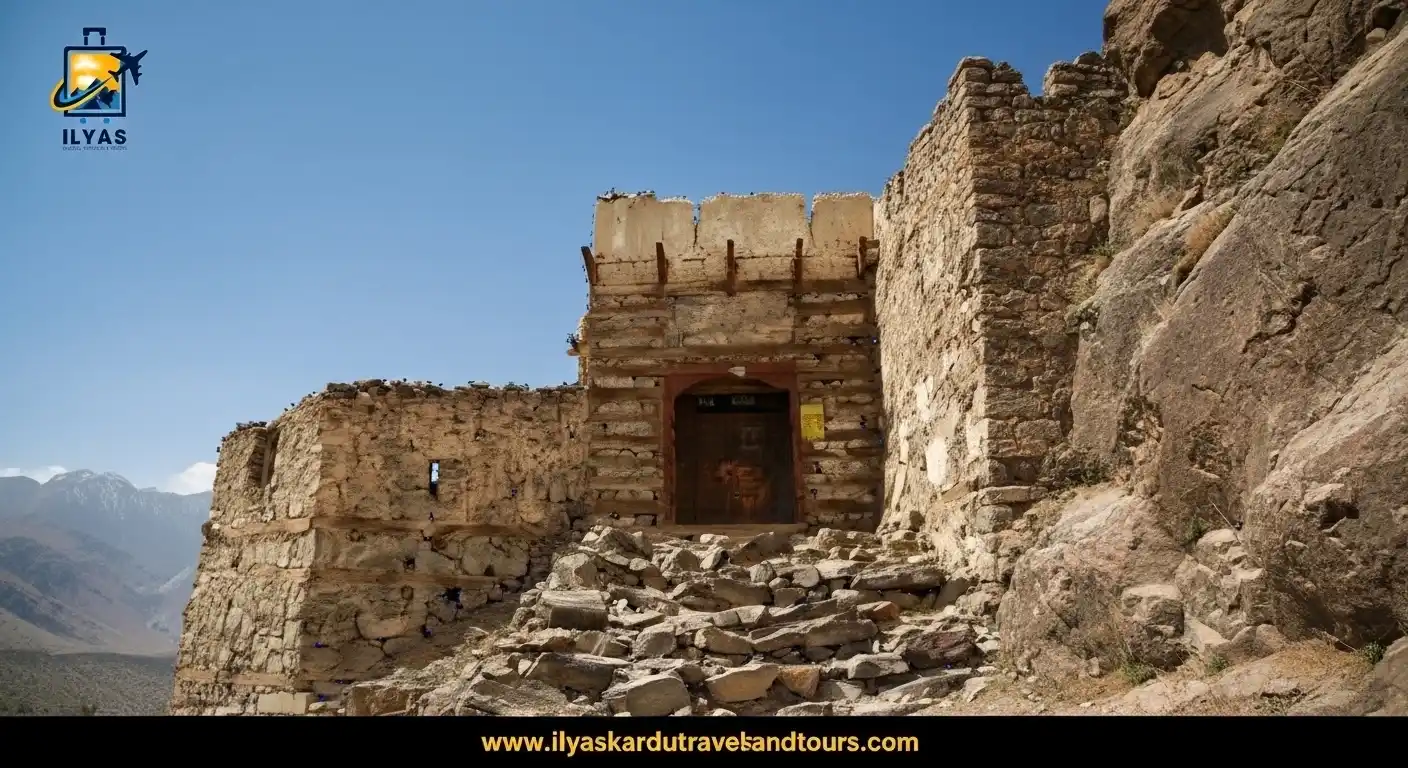
Kharpocho Fort dominates Skardu’s landscape from its position on a steep granite outcrop overlooking the Indus River. Built in the 8th century by the Balti ruler Ali Sher Khan Anchan, the fort served as the seat of power for the Maqpon dynasty that controlled the region for centuries.
The fort’s military architecture reveals sophisticated defensive planning. Multiple levels of walls, strategic water storage systems, and concealed passages demonstrate medieval engineering adapted to mountainous terrain. Walking through the ruins provides perspective on how Balti rulers maintained control over trade routes and defended against invasions from Ladakh and Kashmir.
Cultural significance extends beyond military history. The fort complex included royal residences, administrative quarters, and religious spaces that documented the transition from Buddhist to Islamic rule. Archaeological evidence shows continuous occupation and modification spanning nearly a thousand years.
Shigar Fort: Living History Transformed
Shigar Fort represents one of Pakistan’s most successful heritage restoration projects. Originally constructed 400 years ago as the residence of the Amacha dynasty, the fort exemplifies traditional Balti architecture with its distinctive wooden balconies, carved columns, and integration of local materials.
The Aga Khan Cultural Service Pakistan restored Shigar Fort in 2005, transforming it into a heritage museum and hotel while maintaining historical authenticity. The restoration preserved traditional building techniques, including the use of walnut wood, stone masonry, and the unique “cribbage” construction method that allows structures to withstand earthquakes.
Visitors can explore reconstructed rooms furnished with period pieces, traditional kitchens showcasing Balti cooking methods, and courtyards designed according to historical layouts. The fort’s museum collection includes artifacts, manuscripts, and photographs documenting regional history and cultural practices.

Manthal Buddha Rock: Buddhism’s Lasting Imprint
The Manthal Buddha Rock carving stands as Skardu’s most significant Buddhist archaeological site. Located in a quiet valley eight kilometers from the main town, the site features a large Buddha figure carved into a granite boulder, accompanied by smaller Buddhist figures and inscriptions in Brahmi script.
Dating to approximately the 8th century CE, the carving represents the region’s pre-Islamic religious landscape when Buddhist kingdoms controlled much of Baltistan. The craftsmanship reflects Gandhara artistic influences, showing cultural connections to the broader Buddhist world extending from Afghanistan to Tibet.
Archaeological surveys have identified additional Buddhist sites in surrounding areas, including rock shelters with faded murals and ruins of small monasteries. These discoveries indicate Skardu functioned as an important center for Buddhist pilgrimage and scholarship before the gradual spread of Islam.

Traditional Balti Culture and Living Heritage
Language and Oral Traditions
The Balti language preserves ancient Tibetan linguistic forms that have evolved or disappeared in other regions. Classified as part of the Western Tibetan language group, Balti maintains grammatical structures and vocabulary that linguists value for understanding Tibetan language development.
Oral storytelling traditions remain central to Balti cultural transmission. Epic poems recount dynastic histories, legendary heroes, and moral lessons passed through generations. Professional storytellers once held respected social positions, performing at festivals and gatherings. While modernization has reduced this practice, cultural organizations work to document and preserve traditional narratives.
Balti music utilizes distinctive instruments including the surna (a type of oboe), daman (large drum), and various stringed instruments. Traditional melodies accompany celebrations, religious ceremonies, and work activities. Musical styles show influences from Tibetan, Central Asian, and South Asian traditions, creating a unique regional sound.
Traditional Architecture and Building Methods
Balti architecture evolved to address extreme climate conditions and limited building materials. Traditional houses feature thick stone walls, small windows for heat retention, and flat roofs constructed with layers of wood, willow branches, and compacted earth. Interior spaces typically include a central kitchen with an open hearth and seating areas built around the perimeter.
The distinctive wooden balconies and carved window frames found on traditional buildings serve both functional and aesthetic purposes. Intricate geometric and floral patterns reflect Islamic artistic traditions while construction techniques derive from earlier Buddhist architectural practices.
Ilyas Skardu Travels and Tours works with several traditional villages where authentic Balti houses remain inhabited, allowing visitors to experience this architectural heritage firsthand and understand how design responds to environmental challenges. These village stays provide insights into daily life that hotel accommodation cannot replicate.

Agricultural Traditions and Food Culture
Balti agricultural practices developed sophisticated irrigation systems to cultivate crops at elevations above 2,000 meters. Traditional channel networks bring glacial meltwater to terraced fields where barley, wheat, and vegetables grow during the short summer season.
Apricot cultivation holds particular cultural and economic importance. The fruit provides fresh food during summer, dried apricots serve as a staple winter food source, and apricot oil has traditional medicinal and culinary uses. Villages celebrate apricot harvest with festivals featuring traditional music, dance, and community feasts.
Balti cuisine reflects the region’s agricultural limitations and trade connections. Staple dishes include khamback (bread baked on hot stones), chutagi (a meat and vegetable soup), and various preparations featuring dried apricots, walnuts, and locally raised goat or sheep. Butter tea, adopted from Tibetan culture, remains a hospitality essential.

Religious Heritage and Cultural Syncretism
The Buddhist-Islamic Transition
Skardu’s religious landscape documents a gradual cultural transformation rather than abrupt conquest. Buddhism dominated the region until approximately the 14th century when Muslim missionaries and traders began arriving from Kashmir and Central Asia. The conversion process extended over several centuries, allowing Buddhist and Islamic traditions to coexist and eventually blend.
This extended transition explains why Buddhist archaeological sites remained preserved rather than destroyed. Many communities integrated Islamic practices while maintaining cultural elements rooted in Buddhist periods. Certain festivals, social customs, and even architectural details retain pre-Islamic origins despite centuries of Muslim practice.
The Chaqchan Mosque in Khaplu exemplifies this cultural synthesis. Built in the 1370s, it represents one of Central Asia’s oldest mosques while incorporating architectural elements from Buddhist building traditions. The mosque’s wooden construction, carved pillars, and overall design aesthetic show clear connections to earlier regional architectural practices.

Contemporary Religious Practice and Festivals
The majority of Skardu’s population practices Twelver Shia Islam, with small Sunni and Nurbakhshi communities. Religious practice emphasizes community gatherings, annual commemorations, and maintaining traditional mosque architecture.
Muharram observances represent the most significant religious events, with processions, gatherings, and traditional rituals occurring throughout the region. These events combine religious devotion with cultural expression through specific musical forms, poetic recitations, and community meals that reinforce social bonds.
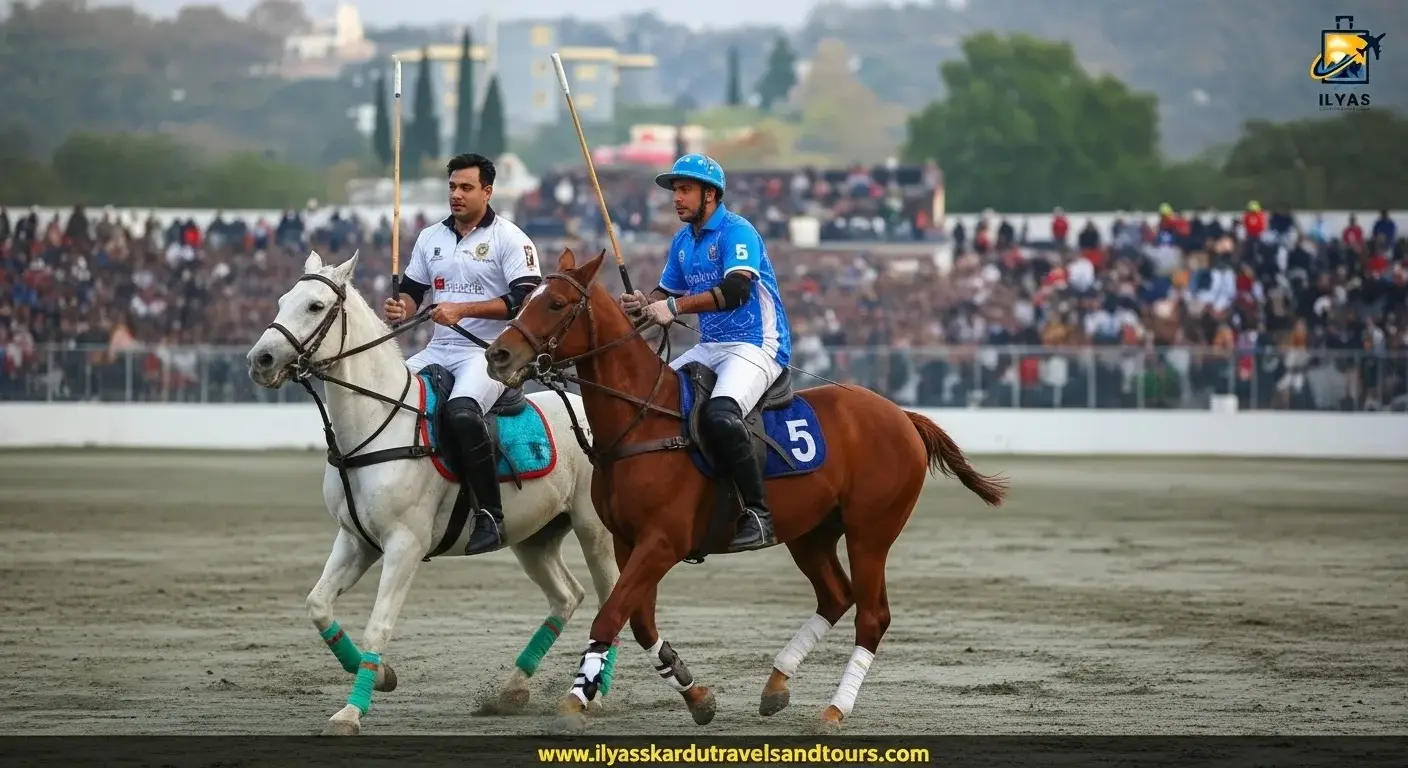
Seasonal festivals blend religious and agricultural celebrations. Spring festivals mark the beginning of planting season with prayers for good harvests. Autumn celebrations give thanks for successful crops and include traditional sports competitions, particularly polo, which holds deep cultural significance in Gilgit-Baltistan.
Traditional Crafts and Artisan Heritage
Balti craftsmanship encompasses several traditional arts facing decline as mass-produced goods become available. Woodcarving remains the most visible craft, with artisans creating intricate decorative panels, furniture, and architectural elements using walnut wood. Master carvers still practice in villages around Shigar and Khaplu, producing work using techniques passed through family lineages.
Textile production historically provided clothing and household goods through hand-spinning wool and weaving on traditional looms. While factory textiles have largely replaced homespun cloth, some women maintain weaving skills and produce traditional patterns for cultural preservation rather than economic necessity.
Metalworking once supplied agricultural tools, household items, and weapons. A few smithies continue operating in larger villages, serving farming communities that still value traditionally forged tools. These workshops offer rare glimpses into metallurgical techniques unchanged for generations.

Cultural Tours: Practical Implementation
Designing Meaningful Cultural Itineraries
Effective cultural tours of Skardu require more than visiting monuments. They need to create connections between historical sites and living culture, showing how past traditions continue influencing contemporary life.
A well-designed itinerary typically spans 4-6 days, allowing time for both major heritage sites and village immersion experiences. The balance should include formal historical sites like Kharpocho Fort and Manthal Buddha Rock alongside less structured village visits where cultural exchange happens through shared meals, craft demonstrations, and conversations with local families.
Seasonal timing significantly impacts cultural experiences. Summer months (June-September) offer the best weather but also bring tourist crowds. Spring (April-May) and autumn (October) provide more authentic interactions with local communities engaged in planting or harvest activities. Winter cultural tours are possible but require accepting limited mobility and cold conditions in exchange for experiencing traditional winter practices.
Village Homestays and Community Engagement
Traditional villages throughout Skardu district offer homestay programs that support local economies while providing authentic cultural immersion. These programs typically involve staying in family homes, participating in daily activities, and sharing meals prepared using traditional methods.
Khaplu’s Balti Heritage Village, communities in Shigar Valley, and settlements around Satpara Lake host developed homestay networks. Families welcome guests into their homes, demonstrating traditional crafts, explaining agricultural practices, and sharing stories about local history and customs.
Responsible cultural tourism requires approaching these interactions with genuine interest and respect. Learning basic Balti greetings, following local customs regarding dress and behavior, and compensating communities fairly for their hospitality maintains the authenticity and sustainability of these programs.
Seasonal Cultural Events Worth Planning Around
The polo season runs from June through September, with tournaments held in Skardu, Shigar, and Khaplu. Unlike formal polo, the traditional Balti version follows loose rules, features intense physical contact, and generates passionate community support. Tournament days become cultural festivals with music performances, traditional food vendors, and social gatherings.
Apricot harvest festivals occur in late June and early July, varying by elevation and valley. Villages celebrate with community meals featuring apricot-based dishes, music and dance performances, and opportunities to participate in fruit picking and drying processes.
Religious festivals follow the Islamic lunar calendar, shifting dates annually. Muharram processions in Skardu town and surrounding villages present opportunities to observe significant religious observances, though visitors should maintain respectful distance and follow local guidance about appropriate conduct.
Photography and Cultural Documentation
Cultural photography in Skardu requires balancing documentation desires with privacy and cultural sensitivity. Many Balti people, particularly older generations and women, prefer not being photographed due to religious and cultural beliefs.
Always request permission before photographing people, religious sites, or private property. Approaching someone with a greeting, showing genuine interest in conversation before mentioning photography, and accepting refusals gracefully maintains positive relationships between visitors and local communities.
Historic sites and landscapes generally allow unrestricted photography, though drone regulations apply throughout Gilgit-Baltistan due to the region’s proximity to sensitive border areas. Check current regulations with local authorities before bringing drone equipment.
Transportation and Access Considerations
Skardu’s remote location requires accepting limited infrastructure and potential travel disruptions. Road access from Islamabad takes approximately 24 hours via the Karakoram Highway through Gilgit, subject to closures from landslides or weather. Flights from Islamabad operate year-round but frequently cancel due to mountain weather conditions.
Local transportation around Skardu and to cultural sites typically involves hiring private vehicles or joining small group tours. Public transportation exists but follows irregular schedules and doesn’t serve most heritage sites. Building flexibility into itineraries accounts for transportation uncertainties.
Preparing for Cultural Immersion
Cultural tours require different preparation than trekking or mountain tourism. Modest clothing that covers shoulders and knees respects local customs for both men and women. Women particularly should bring headscarves for use when visiting mosques or conservative villages.
Basic Balti phrases enhance interactions significantly. Learning greetings, thank you, and simple food-related terms shows respect for local culture and often opens doors to deeper conversations. Many older residents speak limited Urdu and no English, making phrase books or translation apps valuable.
Gift-giving customs should be understood before village visits. Small items like tea, sugar, or school supplies for children are appropriate thank-you gestures for hospitality. Avoid giving money directly to children, which creates problematic expectations and encourages begging behavior.
Working with Local Cultural Guides
Knowledgeable local guides transform cultural tours from surface-level sightseeing to meaningful cultural exchange. The best guides provide historical context for sites, facilitate conversations with local artisans and families, and explain cultural practices visitors might otherwise misunderstand. Along with cultural tours, services like rent a car in Skardu also make travel more convenient for exploring remote mountain destinations.
Ilyas Skardu Travels and Tours employs guides with deep roots in local communities, ensuring authentic perspectives and established relationships that enable access to cultural experiences not available to independent travelers. These connections prove particularly valuable for arranging village homestays, meeting traditional craftspeople, and understanding nuanced cultural practices.
When selecting guides independently, prioritize those from Skardu or surrounding valleys over guides based in other regions. Local guides bring personal connections to the culture being explored and economic benefits remain within the communities being visited.
Conservation Challenges and Cultural Preservation
Skardu’s cultural heritage faces multiple preservation challenges. Many historical sites lack proper conservation management, leading to deterioration from weather exposure and, increasingly, from tourism pressure. Balancing heritage access with preservation requires developing site management plans that currently don’t exist for most locations.
Living cultural traditions face different threats. Young people increasingly migrate to cities for education and employment, reducing the number of community members learning traditional crafts, languages, and cultural practices. Economic pressures make modern careers more attractive than maintaining traditional livelihoods.
Several organizations work on cultural preservation initiatives. The Aga Khan Cultural Service Pakistan leads restoration projects like Shigar Fort and supports traditional building techniques documentation. Local cultural associations organize festivals, teach traditional arts to young people, and advocate for heritage protection policies.
Responsible cultural tourists support preservation efforts by choosing services that benefit local communities, respecting site protection rules, and considering donations to legitimate conservation organizations working in the region.
The Future of Cultural Tourism in Skardu
Growing tourism interest in Skardu presents both opportunities and risks for cultural heritage. Increased visitor numbers bring economic benefits that can support preservation efforts and provide incentives for maintaining traditional practices. However, excessive tourism risks commodifying culture, creating artificial performances that lose authentic meaning, and overwhelming fragile historical sites.
Sustainable cultural tourism development requires careful planning that prioritizes community benefits and cultural integrity over maximizing visitor numbers. This means supporting small-scale, locally-owned tourism operations, limiting visitor numbers at sensitive sites, and developing tourism products that reflect actual cultural practices rather than staged performances.
Infrastructure improvements currently underway will make Skardu more accessible but also increase development pressure on traditional areas. How communities navigate this transition will determine whether cultural heritage remains a living tradition or becomes a museum curiosity performed for tourist cameras.
Conclusion: Cultural Immersion Beyond Skardu’s Mountains
Cultural tours of Skardu reveal a region where ancient traditions adapt to modern pressures while maintaining connections to centuries-old practices. The valley’s heritage extends beyond monuments and museums into living communities where cultural identity shapes daily life, from architectural styles that respond to harsh climates to agricultural practices refined over generations.
Approaching Skardu’s culture with genuine curiosity, respect for local customs, and willingness to engage beyond surface-level sightseeing transforms visits from tourism into cultural exchange. The reward is access to a world that exists nowhere else: a Tibetan-rooted culture flourishing in a Muslim context, where Silk Road history lives in contemporary communities, and where geographic isolation created something authentically distinct.
The cultural landscape you encounter reflects thousands of years of human adaptation to one of earth’s most challenging environments. Each fort, rock carving, traditional house, and community practice tells part of a larger story about how cultures survive, transform, and maintain identity through centuries of change. Understanding that story requires time, patience, and openness to perspectives shaped by very different historical and environmental forces than most visitors know. If you truly want to experience the rich cultural heritage of Gilgit Baltistan, book your Cultural Tours of Skardu today and explore history, tradition, and mountain culture firsthand.
FAQs About Cultural Tours of Skardu
What makes Skardu’s cultural heritage unique compared to other Pakistani regions?
Skardu’s isolation preserved a distinct Balti culture with Tibetan linguistic roots and architectural traditions synthesizing Buddhist, Islamic, and Central Asian influences. The region functioned as a Silk Road crossroads where multiple civilizations left lasting imprints, creating cultural layers visible in archaeological sites, traditional practices, and contemporary community life.
How many days should I allocate for a meaningful cultural tour?
A comprehensive cultural tour requires 4-6 days to cover major heritage sites like Kharpocho Fort, Shigar Fort, and Manthal Buddha Rock while allowing time for village immersion experiences. Shorter 2-3 day visits can cover primary historical sites but miss the deeper cultural engagement that comes from spending time in traditional communities.
Are cultural sites accessible year-round?
Major historical sites remain accessible throughout the year, though winter snow may complicate reaching some locations. Village cultural experiences work best during warmer months (April-October) when communities engage in agricultural activities and travel between sites is more practical. Summer (June-September) offers the most reliable weather and access.
Do I need special permits for cultural tourism?
Foreign visitors to Gilgit-Baltistan require no special permits beyond standard Pakistani visas for most areas. However, certain locations near the Line of Control or Chinese border have restrictions. Check current requirements with tour operators, as regulations occasionally change based on security situations.
How should I dress for village visits and cultural sites?
Conservative clothing that covers shoulders and knees is essential for both men and women. Women should bring headscarves for mosque visits and conservative villages. Comfortable walking shoes are necessary as many sites involve uneven terrain, and layers accommodate Skardu’s variable mountain weather.
Can I interact with local communities without speaking Balti?
Many younger community members and those in tourism-related businesses speak Urdu and sometimes English. However, older residents and people in remote villages may speak only Balti. Working with local guides bridges this communication gap and facilitates more meaningful cultural exchange than independent travel allows.
What photography restrictions should I expect?
Always request permission before photographing people, particularly women and religious ceremonies. Most historical sites allow photography, but some mosques and private properties restrict it. Drone usage requires permits throughout Gilgit-Baltistan due to border security concerns. Respect refusals and cultural sensitivities around image-making.
How do cultural tours support local communities?
Responsible cultural tourism provides income to local guides, homestay families, artisans, and service providers while creating economic incentives for preserving traditional practices. Choosing locally-owned operations, purchasing authentic handicrafts directly from artisans, and paying fair prices for services ensure tourism benefits flow to source communities rather than external operators.
