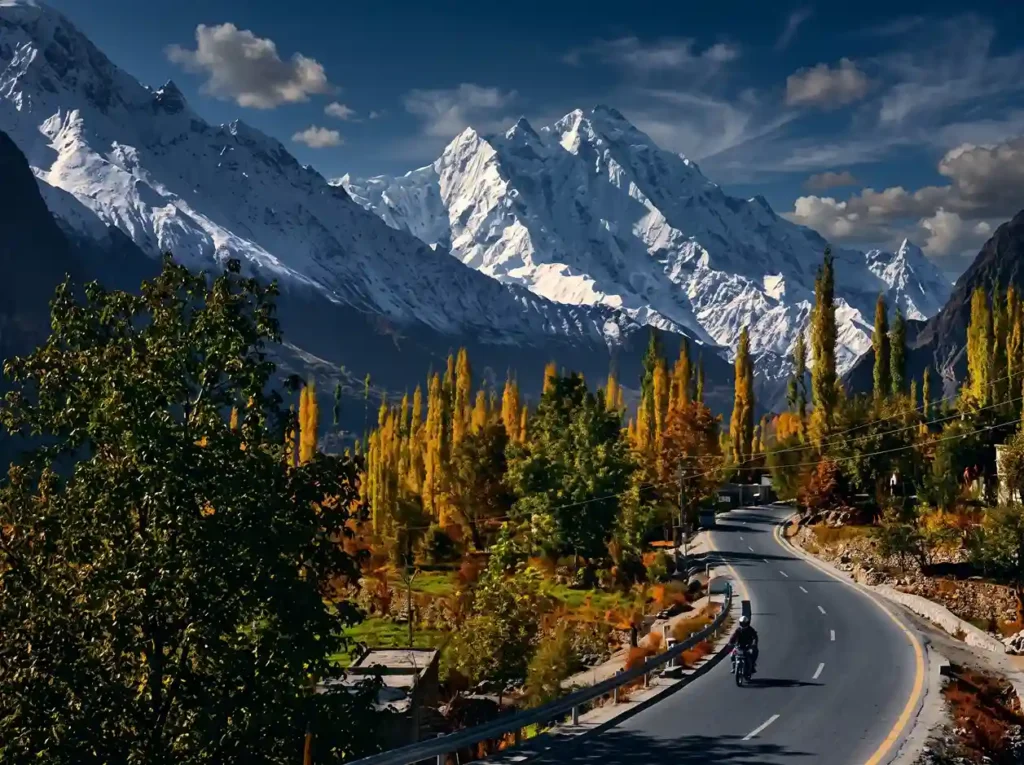
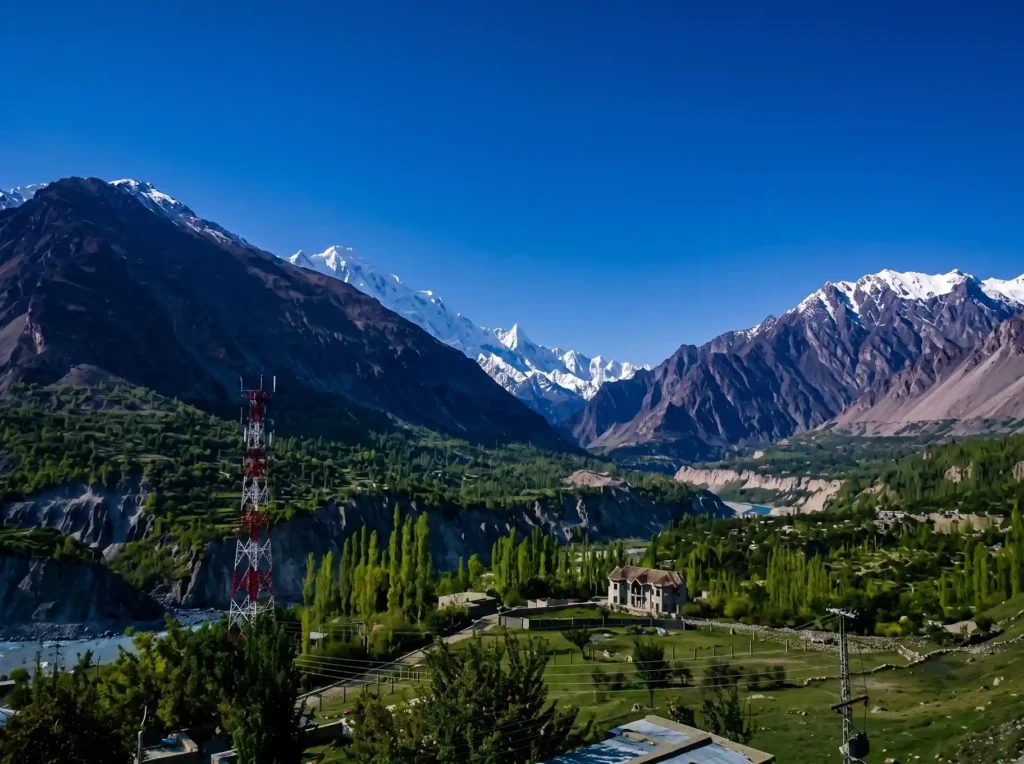
A trip to Hunza usually starts with a single photo someone saw online: green terraces stacked below a wall of snow peaks, a turquoise lake that looks almost too blue to be real, or a suspension bridge that makes people’s stomachs drop just from the picture. What that photo doesn’t tell you is how many days you actually need, what the road is really like, or what it costs to put a trip like this together properly. This guide covers all of that, based on how the route actually works, not how it looks in a brochure.
Hunza Valley sits in Gilgit-Baltistan in northern Pakistan, reachable by road from Islamabad, Gilgit, or Skardu, and by air into Gilgit Airport followed by a short drive. Most trips run somewhere between 3 and 7 days depending on how much of the valley you want to see and whether Khunjerab Pass is on the list.
Trip to Hunza: Your Complete Travel Guide Overview
The route follows the Karakoram Highway, one of the highest paved international roads in the world, tracing the old Silk Route corridor along the Hunza and Gilgit rivers. Coming from Islamabad, the drive runs through Abbottabad, Besham or the Naran-Babusar route (seasonal), and Chilas before reaching Hunza. Coming from Skardu, the road runs via the Skardu-Gilgit road onto the KKH, a route that passes Rakaposhi viewpoint and the point where two tectonic plates meet, a genuinely rare thing to see marked on a roadside.
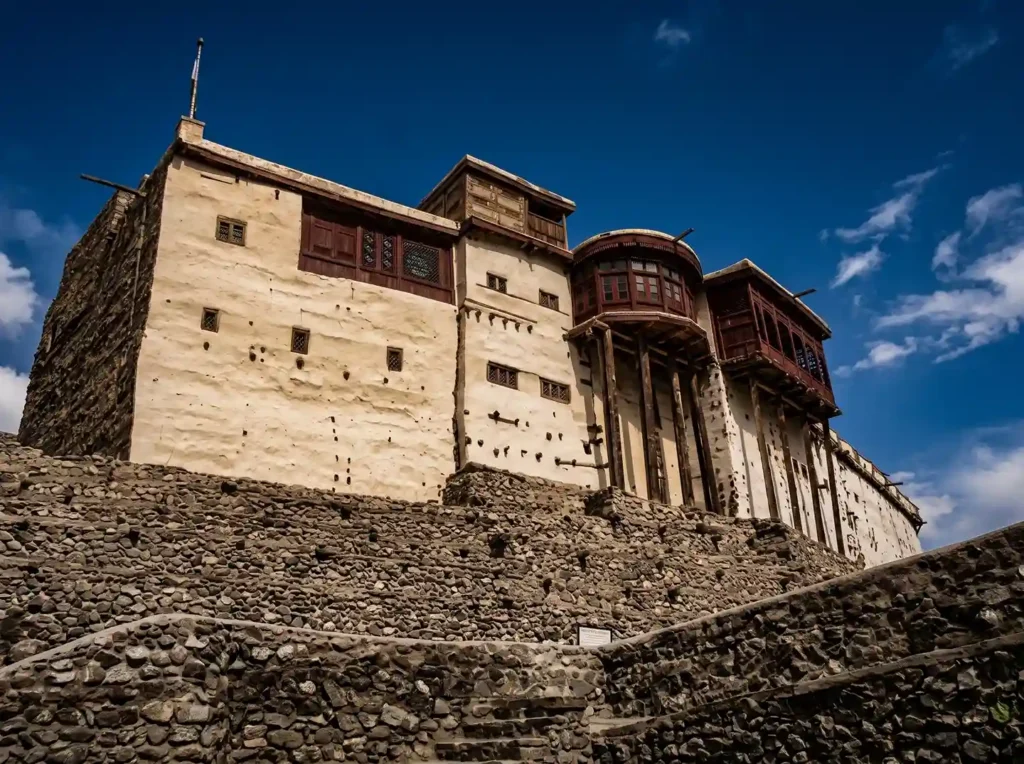
Karimabad is the valley’s main town and usual base, with Baltit Fort sitting above it and views of Rakaposhi and Ultar Peak on clear days. From there, day trips fan out to Altit village, Attabad Lake, Passu, and, road and weather permitting, Khunjerab Pass at the Chinese border. Most of what you’re doing on a Hunza trip is a mix of short walks, viewpoint stops, and fort or village visits, so it suits travelers who want scenery and culture without a demanding trek attached to it.
Quick Tour Facts
| Detail | Information |
| Tour name | Trip To Hunza |
| Destination | Hunza Valley, Gilgit-Baltistan, Pakistan |
| Tour type | Sightseeing, nature, cultural, light adventure |
| Duration | 3 to 7 days, customizable |
| Departure | Islamabad, Rawalpindi, Gilgit, or Skardu, depending on the package |
| Return | Same options as departure, depending on the package |
| Transport | Private car, jeep, or coaster, sized to your group |
| Accommodation | Hotels, guesthouses, or resorts in Hunza, by package category |
| Difficulty | Easy to moderate |
| Best time to visit | April to October |
| Price | Contact for current pricing, it depends on group size, season, and vehicle/hotel category |
Detailed Itinerary (5-Day Sample, Customizable 3 to 7 Days)
The plan below is a common 5-day structure. It compresses to 3 days by cutting Khunjerab or Nagar, or extends to 7 by adding Naltar Valley, Nagar, or a slower pace through Karimabad.
Day 1: Departure and Travel to Hunza
Departure is early, whether starting from Islamabad or Skardu, since both routes run most of a day. From Islamabad the drive follows the KKH via Chilas, with stops at viewpoints along the Indus and, closer to Hunza, the Rakaposhi viewpoint. From Skardu the road runs via the Skardu-Gilgit road to join the KKH, a route that’s generally quicker and better maintained than the seasonal Deosai alternative. Either way, plan for a full travel day and an evening arrival in Karimabad.
Day 2: Karimabad, Baltit Fort, and Altit Fort
This is the cultural core of the trip. Morning at Baltit Fort, which sits directly above Karimabad and gives a first proper look at the whole valley. The afternoon covers Altit Fort and its old village lanes, then Eagle’s Nest for sunset if the timing works. Walking involves stairs and some uneven ground inside both forts, but nothing technical.
Day 3: Attabad Lake, Passu, and Passu Cones
A drive north along the KKH through the Pakistan-China Friendship Tunnels, built to bypass the section of highway the 2010 landslide submerged. Attabad Lake is the first stop, with time for a boat ride if the weather cooperates. From there it’s a short drive on to Passu, where the Cones and the Hussaini Suspension Bridge are both close enough to see in the same afternoon.
Day 4: Khunjerab Pass or Additional Sightseeing
Where the trip goes on Day 4 depends on the season and current road status. Khunjerab Pass is generally open to tourists from around May through October, though the exact opening and closing dates shift year to year with snowfall, and this needs confirming before departure. If the pass is open, this is a long day trip from Karimabad, several hours each way, ending at the 4,693-meter border marker with China. If it isn’t, the day shifts to Nagar Valley or a slower exploration of Gulmit and the upper valley instead.
Day 5: Final Sightseeing or Return Journey
The last day either adds any attractions missed earlier or begins the return drive, timed the same way as Day 1 in reverse. On a 3-day version of this trip, Day 3 combines final sightseeing with departure in the same day.
Best Time to Visit
| Season | Months | General Conditions |
| Spring | March to May | Blossom season in the lower valley, roads clearing from winter, some landslide risk after snowmelt |
| Summer | June to August | Warmest weather, most reliable road access, Khunjerab Pass open, peak season with the most tourist traffic |
| Autumn | September to October | Clear skies, golden and red foliage in the orchards, generally considered the most photogenic window |
| Winter | November to February | Cold, some roads and Khunjerab Pass closed by snow, valley floor still accessible but plan for limited services |
April through October is the most reliable window for a full itinerary, especially if Khunjerab Pass is part of the plan. Winter trips are possible for lower Hunza but need more flexibility and should be confirmed with the operator closer to travel dates.
Cost, Inclusions, and Exclusions
Pricing is in PKR and depends on group size, season, vehicle type, and hotel category, so contact the operator for a current quote rather than relying on a fixed number here. Peak summer season and holiday periods generally cost more due to higher accommodation demand.
Getting There
From Islamabad or Rawalpindi: By road, this is a long single-day or two-day drive along the Karakoram Highway, with route options via Besham or, seasonally, via Naran and Babusar Top. By air, Gilgit Airport is roughly an hour’s flight, followed by a drive of a couple of hours to reach Karimabad. Flights can be weather-dependent and are sometimes delayed or cancelled, so build a buffer day into your plans if flying.
From Skardu: This is where booking with a Skardu-based operator has a real practical advantage. The drive to Hunza runs via the Skardu-Gilgit road onto the KKH. Reported travel times for this stretch vary quite a bit across sources, anywhere from roughly 5 to 10 hours, depending on the exact route taken, stops along the way, and road conditions at the time. Treat any single number you see online with some skepticism and confirm current timing with your operator before you travel. An alternative route via the Deosai Plains and Astore exists but is longer and only open in summer.
From Gilgit: Hunza is the closest major destination to Gilgit, generally a two to three hour drive along the KKH, making it a natural add-on for anyone already in Gilgit for other reasons.
Recommended Skardu Tour Packages for Every Traveler
Explore our recommended Skardu tour packages, carefully designed for solo travelers, families, couples, and groups. Choose from flexible Budget, Standard, and Luxury options to match your travel style and budget.
| Tour(s) | Mode of Transport | Budget | Standard | Luxury |
|---|---|---|---|---|
| Skardu Tour Packages from Islamabad | By Road | PKR 90,500 | PKR 115,000 | PKR 194,000 |
| Hunza Tour Package | By Air | PKR 100,500 | PKR 140,500 | PKR 220,000 |
| Soq Valley Skardu Tour | By Road | PKR 9,500 | PKR 12,500 | PKR 15,000 |
| Baltit Fort Hunza: Karimabad’s Historic Landmark | By Road | PKR 20,000 | PKR 30,000 | PKR 40,000 |
| Marsur Rock Skardu Tour | By Air | PKR 115,000 | PKR 136,000 | PKR 25,000 |
| Satpara Lake Skardu | By Air | PKR 130,000 | PKR 150,000 | PKR 235,000 |
| Deosai National Park Skardu Tour | By Road | PKR 168,000 | PKR 250,000 | PKR 390,000 |
Difficulty and Fitness Requirements
This trip is rated easy to moderate. Basic fitness is enough for most of the itinerary. Some attractions involve stairs, uneven fort interiors, or short walks to viewpoints, but there’s no technical trekking built into the standard route. The main physical consideration is Khunjerab Pass itself: at 4,693 meters, most visitors feel some effect from the altitude (headache, breathlessness, mild fatigue), even though it’s a same-day drive up and back rather than an overnight stay at elevation. Spending a day or two in Hunza (roughly 2,400 meters) before attempting the pass gives your body a chance to adjust first.
What to Bring
- Comfortable walking shoes for fort visits and short walks
- Warm layers, even in summer, since mountain evenings and Khunjerab Pass itself get cold regardless of season
- Sunglasses and sunscreen for high-altitude sun exposure
- A refillable water bottle
- A basic first aid kit and any personal medication
- Cash in smaller denominations, since card acceptance is limited outside Karimabad’s main hotels
- A power bank, since charging options can be limited on longer driving days
Important Travel Information
Mountain weather changes quickly in this region, and road conditions vary by season, sometimes within the same week. Landslides, temporary closures, and weather delays are a normal part of travel here rather than a rare exception, so it helps to go in with a flexible mindset about timing.
On Khunjerab Pass specifically: current information indicates that Pakistani and foreign tourists visiting the pass itself, without crossing into China, generally don’t need a special permit beyond a standard passport and Pakistan visa, though a Khunjerab National Park entry fee applies and is usually collected at the Sost checkpoint. Border area rules can change, so confirm the current requirement with your operator before the trip rather than assuming.
Mobile network coverage is patchy in parts of the upper valley, particularly past Passu, so don’t rely on constant connectivity for work or navigation once you’re north of Karimabad.
Booking Information
Advance booking is strongly recommended for travel between June and August, when hotel and vehicle availability in Hunza tightens up fastest. Contact the operator directly for current pricing, hotel options by category, vehicle availability for your group size, and to confirm departure location, whether that’s Islamabad, Rawalpindi, Gilgit, or Skardu. The itinerary above can be shortened, extended, or reordered based on how many days you have and which attractions matter most to your group.
Tour Highlights
- Baltit Fort, a 700-year-old former royal residence restored by the Aga Khan Trust for Culture, on UNESCO's tentative heritage list
- Altit Fort, Hunza's older fort, with a garden and views straight down to the river
- Attabad Lake, a turquoise lake that formed after a 2010 landslide dammed the Hunza River, now a boating spot
- Passu Cones, sharp golden peaks that are one of the most photographed formations on the whole route
- Hussaini Suspension Bridge, a wood-plank crossing over the Hunza River, popular with travelers chasing a genuine adrenaline moment
- Eagle's Nest viewpoint, best at sunrise or sunset for a full view of the valley floor and surrounding peaks
- Khunjerab Pass, the world's highest paved international border, at 4,693 meters, when road and season allow
Included
- Transportation according to the selected package
- Hotel accommodation matching the package category
- Driver or guide assistance where included in the package
- Trip coordination and route planning
- Sightseeing according to the itinerary
- Basic tour support throughout the trip
Excluded
- Meals, unless specifically stated as included
- Personal expenses
- Entry tickets to forts and attractions
- Boating charges at Attabad Lake
- Guide charges where applicable at individual sites
- Accommodation upgrades outside the selected package
- Any service not specifically listed in your package confirmation
Gallery