
Planning a trip to Pakistan’s northern areas? A well-crafted Skardu sightseeing itinerary is essential for experiencing the breathtaking landscapes, ancient forts, and turquoise lakes that make this destination unforgettable. Nestled at 2,438 meters in the heart of the Karakoram Range, Skardu serves as the gateway to some of Earth’s highest peaks, including K2, and offers visitors a rare glimpse into Balti culture and stunning high-altitude beauty. For a hassle-free experience, exploring different Skardu tour packages can help you plan your journey more efficiently and make the most of your trip.
What Makes Skardu Special
Skardu isn’t just another mountain town. This is where three of the world’s greatest mountain ranges converge, where cold deserts meet glacier-fed lakes, and where ancient Buddhist heritage blends with warm Balti hospitality. The region earns its nickname “Little Tibet” through cultural ties that run deep, from the Balti language (an ancient Tibetan dialect) to architectural styles that mirror the Himalayan plateau.
The landscape shifts dramatically within short distances. You might start your morning at a cold desert watching sunrise paint sand dunes gold, then find yourself by afternoon rowing across a crystal-clear alpine lake surrounded by 7,000-meter peaks. This diversity makes planning your Skardu sightseeing itinerary both exciting and essential.
Understanding Skardu’s Geography and Climate
Before diving into your itinerary, understanding local conditions helps you plan better. Skardu sits in the Baltistan region of Gilgit-Baltistan, where the Indus and Shigar rivers meet. The high elevation creates distinct seasons that dramatically affect what you can see and do.
Best Time to Visit: April through October offers the most accessible conditions. May and June bring cherry blossoms that transform valleys into pink wonderlands, while September and October paint the landscape in autumn golds and reds. Summer months (July-August) are warmest but also busiest, with temperatures ranging from 15°C to 30°C.

Winter visits (November-March) are possible but challenging. Temperatures plummet to -15°C or lower, many hotels close, and roads to places like Deosai Plains become impassable under heavy snow. However, if you’re seeking solitude and don’t mind the cold, winter reveals a magical frozen landscape that few travelers witness.
Getting to Skardu: Your Journey Begins
The journey to Skardu is part of the adventure. You have two main options, each offering unique experiences.
By Air
Pakistan International Airlines operates daily flights from Islamabad to Skardu (weather permitting). The 45-minute flight ranks among the world’s most scenic, threading through the Karakoram and Himalayan ranges with K2, Nanga Parbat, and other giants visible on clear days. The flight costs approximately PKR 15,000-20,000 each way.
The catch? Weather cancellations are common. Skardu Airport sits in a valley surrounded by peaks, requiring clear visibility for safe landings. During monsoon season or winter, flights can be delayed for days. Always build buffer days into your schedule if you have onward international connections.
By Road
The 22-24 hour road journey from Islamabad follows the legendary Karakoram Highway (KKH) through Besham and Chilas before branching onto the Gilgit-Skardu Road. While exhausting, this route rewards travelers with spectacular scenery, roadside chai stops, and a genuine feel for Pakistan’s northern frontier.
NATCO and private operators run regular buses (PKR 1,500-2,500). For more comfort, hire a private vehicle with driver (PKR 25,000-35,000 for the round trip). The Babusar Pass route via Naran and Kaghan Valley offers an alternative during summer months, adding stunning lake views at Lulusar.
5-Day Skardu Sightseeing Itinerary
This itinerary balances must-see attractions with hidden gems, structured for first-time visitors while leaving room for spontaneity.
Day 1: Arrival and Skardu Town Exploration
Arrive by air or road and settle into your accommodation. Skardu town itself offers several attractions within easy reach.
Morning: After breakfast, tackle the 20-minute hike to Kharpocho Fort (also called Skardu Fort). Built between 1490 and 1505 by King Ali Sher Khan Anchan, this fortress sits atop a rocky hill offering panoramic views of the Skardu Valley and Indus River. The climb involves loose gravel, so wear proper hiking shoes. The fort translates to “King of Forts” in Balti, and while partially ruined, it provides excellent photography opportunities and your first real perspective on the valley’s scale.

Afternoon: Explore Skardu Bazaar, the town’s commercial heart. Vendors sell fresh apricots, apples, and the region’s famous gemstones including topaz, aquamarine, and tourmaline. Look for handwoven Balti “Pattu” (woollen cloth) and intricately embroidered “Chugas” (traditional Balti gowns). The bazaar pulses with local life and gives you a genuine feel for daily rhythms here.
Evening: Visit Manthal Buddha Rock, located about 15 kilometers from town. Carved around 900 AD, this ancient relief depicts a meditating Maitreya Buddha framed by Bodhisattvas on a tall rock face. The site connects to Skardu’s Buddhist heritage from when the region served as a major center along the Silk Road.
Day 2: Shigar Valley and Ancient Heritage
Dedicate this day to Shigar Valley, located 40 kilometers west of Skardu (about 1.5 hours by vehicle).
Morning: Start at Shigar Fort, a 17th-century masterpiece restored by the Aga Khan Trust. Unlike Kharpocho’s ruins, this fort stands beautifully preserved, now housing a museum and the luxurious Serena Heritage Hotel. The guided tour explains Balti culture, traditional woodwork techniques, and the region’s historical significance as a trading post.
Walk through Shigar’s old village behind the fort. Stone houses with tiny wooden doors line narrow alleys where women still dry apricots on rooftops and children play in dirt paths. This feels like stepping back centuries. Stop at a roadside teashop for salted Balti tea and fresh bread.
Afternoon: For the best experience, hike to the unmarked Shigar viewpoint around sunset. Locals can guide you to this spot, which offers stunning vistas of the fort, Shigar River, and surrounding mountains bathed in golden light. The walk takes about 30 minutes from the village.
When planning these cultural experiences with local operators like Ilyas Skardu Travels and Tours, you gain access to knowledgeable guides who can share stories about Balti traditions and ensure you don’t miss hidden spots that make Shigar Valley special.
Day 3: The Famous Lakes Circuit
Today covers two of Skardu’s most photographed locations. Start early to beat crowds and capture the best light.
Morning: Drive 30 minutes to Upper Kachura Lake (also called Foroq Tso). This pristine lake sits surrounded by pine forests and snow-capped peaks. A 15-minute uphill walk from the parking area leads to the lake. Rent a rowboat or simply sit by the water soaking in the serenity. The reflection of mountains in the still water creates mirror-perfect images that photographers dream about.

Midday: Continue to Lower Kachura Lake, better known as Shangrila Lake after the resort built there in 1983. While more developed and touristy than Upper Kachura, the heart-shaped lake with its restaurant built in an old aircraft fuselage offers unique photo opportunities. The gardens provide a pleasant picnic spot, though the artificial atmosphere contrasts with the raw nature you’ll experience elsewhere.
Afternoon: Drive to Sadpara Lake, about 20 minutes north of Skardu. This large freshwater lake serves as a reservoir but maintains natural beauty with mountains reflected in crystal-clear water. A small island in the middle can be reached by country boats available for rent. The lake is stocked with trout, making it popular with anglers.
Evening: Return to Skardu and rest. These lake visits involve moderate walking but the driving between locations adds up.
Day 4: Deosai Plains – The Land of Giants
This is your adventure day. Deosai National Park sits at an average elevation of 4,114 meters, making it one of the world’s highest plateaus. The journey requires a full day and proper planning.
What You’ll Need:
- A sturdy 4×4 vehicle with experienced driver (essential)
- Warm layers even in summer (temperatures fluctuate wildly)
- Sunscreen and sunglasses (UV exposure is intense)
- Snacks and water (limited facilities)
- Camera with extra batteries
The Journey: The drive from Skardu to Deosai takes 2-3 hours. The road climbs steadily through landscapes that shift from forested valleys to alpine meadows before opening onto the vast plateau. In summer (June-September), the plains explode with wildflowers creating a carpet of purple, yellow, and white that seems to stretch forever.
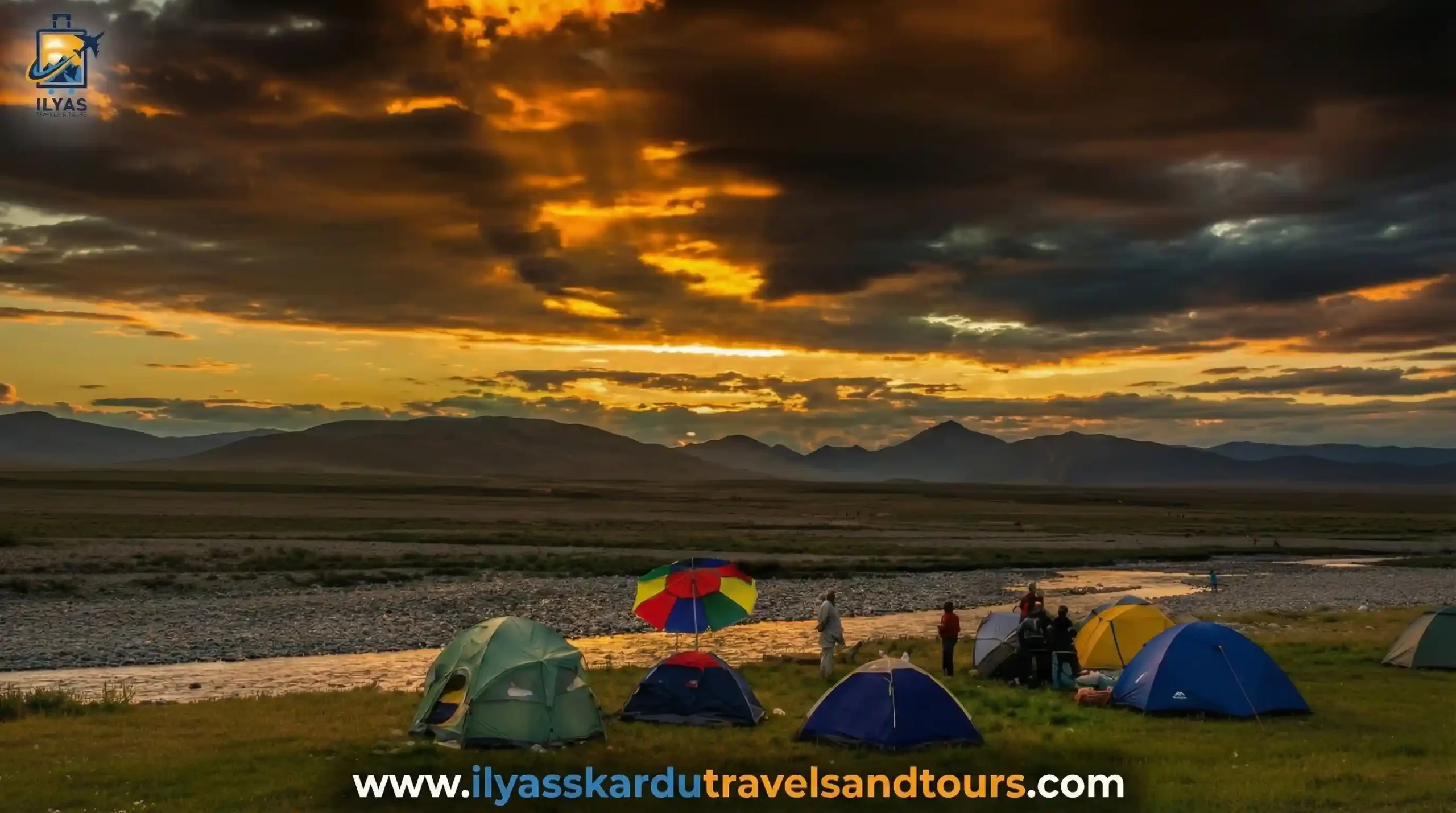
Sheosar Lake: This glacial lake sits at the heart of Deosai, surrounded by rolling hills and often grazing marmots. The color shifts from turquoise to deep blue depending on light and weather. Pack a picnic lunch and spend time here. If you’re lucky, you might spot Himalayan brown bears (though maintain safe distance).

Wildlife: Deosai hosts rare species including the Himalayan brown bear, marmots, snow leopards (rarely seen), and golden eagles. Bird watchers should bring binoculars.
Important: Deosai National Park is only accessible from May/June through October. Winter snowfall makes roads completely impassable. The park also closes at night, so plan to return to Skardu before dark or arrange overnight camping with proper permits and guides.
Day 5: Cold Deserts and Hidden Waterfalls
Your final day explores contrasts that make Skardu unique.
Morning: Visit the Katpana Cold Desert, located just 10 kilometers from Skardu. This high-altitude desert sits at 2,226 meters, making it one of the world’s highest cold deserts. Sand dunes backed by snow-capped peaks create surreal scenery that feels almost otherworldly. The desert offers serenity that’s perfect for meditation or simply appreciating nature’s contradictions. Early morning or late afternoon provides the best light for photography.
For more adventurous activities, the larger Sarfaranga Cold Desert (about 50 kilometers away) allows dune bashing, sandboarding, and camel rides. The landscapes there feel even more dramatic.
Afternoon: Head to Monthokha Waterfall, a developed tourist site that’s become popular locally. While it doesn’t match the raw wilderness of other Skardu attractions, the waterfall offers pleasant scenery and picnic facilities. Alternatively, if you have energy, consider the hike to Marsur Rock.
Marsur Rock Trek: This challenging but rewarding hike starts in Hussainabad village (6 kilometers from Skardu). The trail gains 800 meters elevation over just 2.5 kilometers, making it steep and strenuous. Most hikers take 2-4 hours to reach the top depending on fitness level. The reward? Spectacular 360-degree views of the Skardu Valley that make the burning legs worthwhile. Carry plenty of water and snacks, as there are no facilities on the trail.
Extended Itinerary Options
If you have more than five days, these destinations expand your Skardu sightseeing itinerary significantly.
Khaplu Valley (2-3 Days)
Located about 3 hours east of Skardu, Khaplu offers another ancient fort (now a luxury hotel), the spectacular Haldi Cones (Khaplu’s answer to Hunza’s famous Passu Cones), and access to serious trekking routes. The Hushe Valley here serves as the starting point for treks to Masherbrum Base Camp and the legendary Charakusa Valley.
Basho Valley (1-2 Days)
Often overlooked, Basho Valley provides lush greenery, traditional villages, and fewer tourists. The valley sits about 30 kilometers from Skardu and offers peaceful trekking through forests and meadows.
Rama Lake (2 Days)
If you’re heading toward Astore, Rama Lake (3,353 meters) deserves a stop. Surrounded by forests and alpine meadows with clear views of Nanga Parbat on good days, this lake surprised many travelers who initially added it as an afterthought. The trek up takes a few hours through changing landscapes from dense pine forest to open meadows.
Practical Planning Tips
Transportation Within Skardu
The town itself is walkable, but attractions spread across considerable distances. Options include:
Rental Car with Driver: Most cost-effective for groups (PKR 10,000–15,000 per day depending on distance and vehicle type). If you’re looking to rent a car in Skardu your hotel or guesthouse can easily arrange this service for a smooth and comfortable travel experience.
Private Tours: Companies like Ilyas Skardu Travels and Tours offer packaged itineraries with experienced guides who know the best viewpoints, can navigate tricky roads, and provide cultural context that enhances your experience. These operators understand seasonal variations and can adjust plans if weather affects accessibility.
Shared Taxis: Available for some popular routes like Shigar, but less flexible and might involve waiting for the vehicle to fill.
Motorcycle Rental: For experienced riders, this offers maximum freedom. Karakorum Bikers in Gilgit (3 hours from Skardu) rents motorcycles. The roads are spectacular but demanding, so only consider this if you’re comfortable with mountain riding.
Where to Stay
Accommodation ranges from budget guesthouses to boutique hotels. Popular areas include:

In Skardu Town: Convenient for exploring and accessing transportation. Hotels like Mashabrum Hotel and Deosai Lodge offer clean rooms with mountain views.
Shangrila Resort: At Lower Kachura Lake, this iconic property (where the restaurant sits in an old aircraft) provides a unique experience, though it’s pricier and touristy.
Shigar Fort: For luxury, Serena Heritage Hotel offers rooms in the restored fort with traditional architecture and modern amenities.
Most mid-range hotels cost PKR 3,000-8,000 per night. Budget guesthouses start around PKR 1,500.
Food and Dining
Balti cuisine reflects Tibetan influences with unique flavors:
Must-Try Dishes:
- Balti bread (fresh-baked round flatbread)
- Thukpa (noodle soup)
- Momos (dumplings)
- Skyu (traditional wheat-based dish)
- Apricot jam and dried fruits
- Salted Balti tea (an acquired taste)
Most hotels serve Pakistani and Balti food. Skardu Bazaar has small restaurants offering local fare at budget prices. Fresh fruits (apricots, apples, peaches) are abundant and delicious when in season.

Cultural Considerations
Skardu’s predominantly Muslim Balti population is generally welcoming, but respect local customs:
- Dress modestly (long pants and covered shoulders for both genders)
- Ask permission before photographing people
- Remove shoes when entering homes or religious sites
- Women travelers report feeling safe, though dressing conservatively helps
- Learn a few Balti phrases – locals appreciate the effort
Essential Packing List
Clothing:
- Layers (temperatures vary 20+ degrees between day and night)
- Waterproof jacket
- Sturdy hiking boots
- Sun hat and warm beanie
- Sunglasses with UV protection
Gear:
- High-SPF sunscreen (mountain sun is intense)
- First aid kit with altitude sickness medication
- Reusable water bottle with purification tablets
- Power bank (electricity can be unreliable)
- Cash (ATMs are limited and many places don’t accept cards)
Photography:
- Camera with wide-angle lens for landscapes
- Polarizing filter for lake shots
- Extra batteries and memory cards
Health and Safety
Altitude Acclimatization: Skardu sits at 2,438 meters. While not extreme, some visitors experience mild symptoms. Deosai at 4,114 meters can trigger altitude sickness. Stay hydrated, ascend gradually, and avoid alcohol for the first couple days.
Water: Stick to bottled water or use purification tablets. The local water is generally safe in Skardu town but better to be cautious.
Medical Facilities: Skardu has Regional Headquarters Hospital and CMH for emergencies, but serious cases may require evacuation to Islamabad. Travel insurance that covers mountain activities is essential.
Security: Gilgit-Baltistan is generally safe for tourists. However, some trekking areas require permits. Check current conditions and register with your embassy if planning extended stays or remote treks.
Money Matters
Budget Estimate (per person, mid-range travel):
- Accommodation: PKR 4,000-6,000/night
- Food: PKR 1,500-2,500/day
- Transportation (vehicle rental): PKR 6,000-10,000/day (split among group)
- Entry fees: Minimal (most sites are free)
- Total for 5 days: Approximately PKR 50,000-75,000 ($175-265 USD)
This excludes flights to/from Skardu. Budget travelers can manage for less by using guesthouses and sharing transportation costs.
Photography Tips
Skardu offers incredible photo opportunities, but mountain photography has specific challenges:
Golden Hour: Sunrise and sunset light turns mountains pink and gold. Wake up early and stay out late.
Reflections: Lakes are calmest in early morning before wind picks up, creating perfect mirror shots.
Polarizing Filter: Essential for cutting glare from water and snow while deepening blue skies.
Composition: Use foreground elements (rocks, flowers) to add depth to mountain landscapes.
Local People: Always ask permission. Most Baltis are friendly but some prefer not to be photographed.
Common Mistakes to Avoid
Underestimating Distances: Google Maps often shows shorter travel times than reality. Mountain roads are slow. Build extra time into your Skardu sightseeing itinerary.
Overpacking the Schedule: Altitude, long drives, and weather can tire you out. Leave rest days and flexibility.
Ignoring Weather: Conditions change rapidly. Bring layers even in summer. Rain can make roads dangerous or impassable.
Not Booking Accommodations: During peak season (June-August), hotels fill up. Book ahead, especially for Shangrila Resort or Serena Shigar Fort.
Expecting Western Amenities: This is remote Pakistan. WiFi is spotty, hot water might be limited, and power cuts happen. Pack accordingly and adjust expectations.
Conclusion
Crafting the perfect Skardu sightseeing itinerary means balancing bucket-list locations with spontaneous discoveries. The structured 5-day plan above hits major highlights while leaving room for the unexpected conversations at chai stops, sudden weather changes that force detours to undiscovered valleys, or simply sitting by a lake watching light shift across mountain faces.
Skardu rewards travelers who come with flexibility, curiosity, and respect for local culture. Whether you’re drawn by the trekking opportunities near K2, the photographic landscapes, or the chance to experience a culture that’s remained relatively unchanged for centuries, this corner of Pakistan delivers experiences that few destinations can match.
The infrastructure is developing rapidly, with roads improving and more hotels opening, but Skardu retains its frontier character. Visit now to experience this balance between accessibility and authentic adventure, where towering peaks meet warm Balti hospitality, and every turn in the road reveals another reason why travelers call Baltistan unforgettable.
Start planning your Skardu sightseeing itinerary today, and prepare for a journey that will redefine your understanding of mountain beauty and human resilience in one of Earth’s most dramatic landscapes. For bookings and personalized plans, feel free to contact us anytime.
Frequently Asked Questions
How many days do I need for Skardu?
A minimum of 5 days is recommended for a Skardu sightseeing itinerary to cover the main highlights comfortably. Travelers who want to explore Khaplu Valley, extended trekking routes, or enjoy a slower mountain experience should add 2 to 3 more days to their trip.
Is Skardu safe for solo female travelers?
Yes, Skardu is generally safe for solo female travelers with normal precautions. Visitors should dress modestly, choose reputable accommodations, and consider hiring local guides when exploring remote areas. The local communities are known for their hospitality and respect toward tourists.
Can I visit Skardu in winter?
Yes, Skardu can be visited in winter, but it can be challenging due to extreme cold, limited hotel availability, road conditions, and possible flight delays. Winter is ideal for travelers who want snowy landscapes, fewer crowds, and a peaceful mountain experience while being prepared for harsh weather.
Do I need a permit for Skardu?
No permit is required for visiting Skardu town and most popular valleys. However, certain trekking areas such as K2 Base Camp and Charakusa Valley require permits that are usually arranged through registered tour operators.
What’s the best way to book tours?
The best way to book a Skardu tour is through an experienced local tour operator who understands weather conditions, routes, accommodations, and safety requirements. Ilyas Skardu Travels and Tours provides options ranging from sightseeing trips to multi-week expeditions with local travel support.
Are there ATMs in Skardu?
Yes, Skardu city has ATMs and branches of major banks, as well as currency exchange offices, so there is generally no cash issue. However, if you are travelling beyond Skardu to remote villages, carry enough cash, as banks, ATMs, and network services may be limited there.