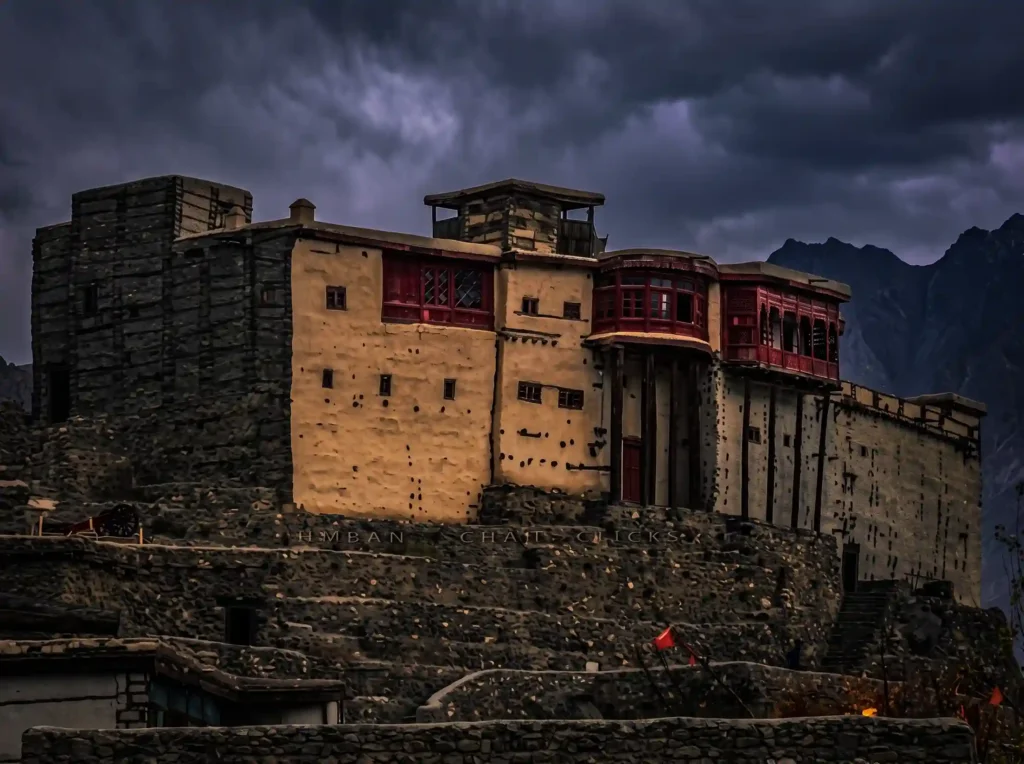
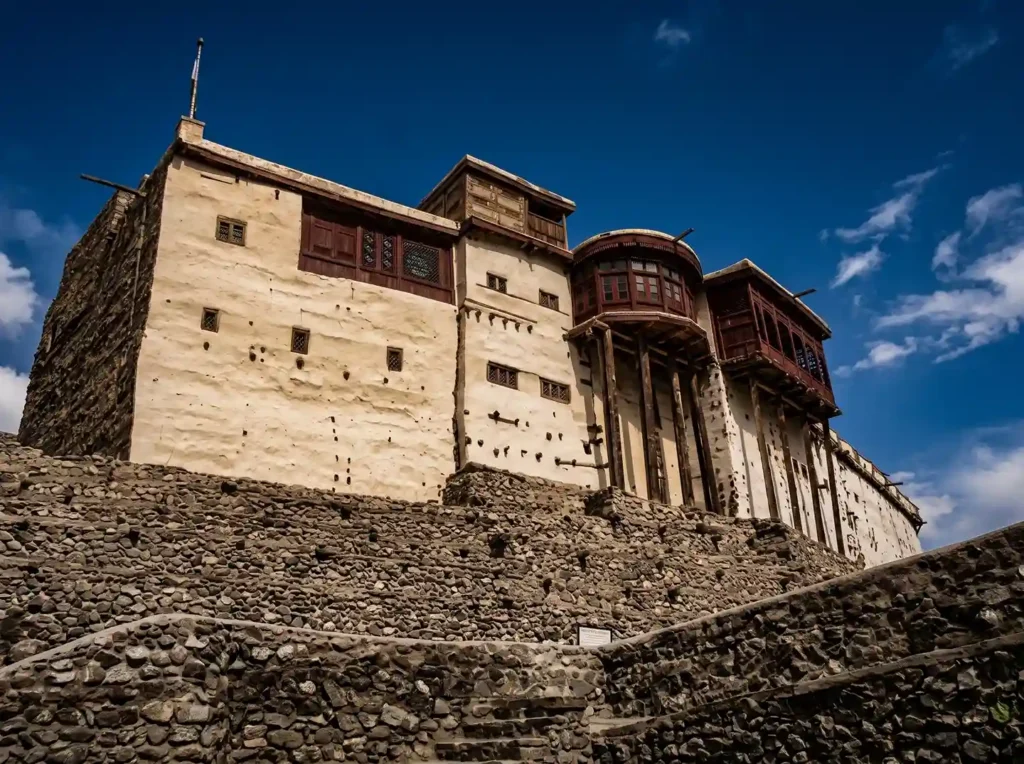
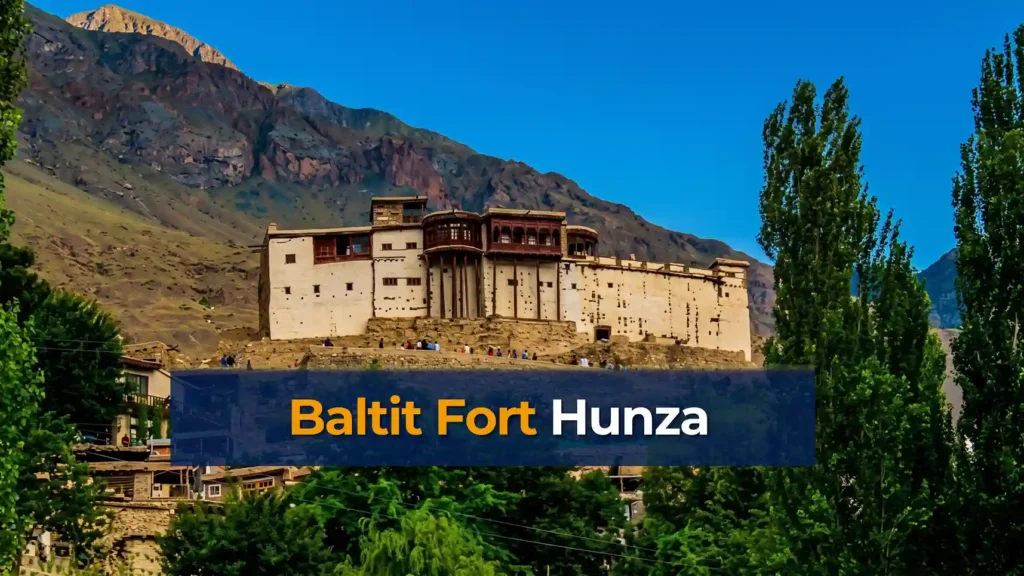
Baltit Fort sits on a rocky rise above Karimabad, the main town of Hunza Valley in Gilgit-Baltistan, and it’s one of the few places in northern Pakistan where you can walk through roughly 700 years of local history in under two hours. For most people planning a Hunza trip, a Baltit Fort Hunza visit is one of the first things on the list, and for good reason: it’s the building the Mirs of Hunza actually lived in, it’s been carefully restored rather than left to crumble, and it’s genuinely easy to combine with a walk through the old town below it.
This guide covers what the fort actually is, how it got here, what a visit involves, and the honest, sometimes conflicting details around cost and timing that most pages either skip or get wrong.
What the Fort Actually Is
Baltit Fort was the residence of the Mirs, the rulers of Hunza, for several centuries. Its foundations date back to around the 8th century, though the structure you see today took shape gradually, with major work added over the following centuries as the fort was extended, reinforced, and eventually turned from a defensive stronghold into something closer to a hilltop palace. Local accounts tie one of the more significant expansions to a marriage between a Mir of Hunza and a princess from Baltistan, whose accompanying craftsmen brought architectural influences you can still see in some of the fort’s woodwork and upper rooms. This part of the story is passed down locally rather than fully documented, so treat it as tradition rather than confirmed fact.
The Mirs lived in Baltit Fort until 1945, when the family moved to a newer residence down the hill and the old fort was left empty. Without anyone maintaining it, the building began to deteriorate, and by the late 20th century there was real concern it might not survive. A survey by the Royal Geographical Society drew attention to the problem, and the Aga Khan Trust for Culture, working with the Historic Cities Support Programme, carried out a full restoration between 1990 and 1996. The fort reopened as a museum, and it’s now managed by the Baltit Heritage Trust. It has been on UNESCO’s World Heritage Tentative List since 2004.
A quick note on Baltit Fort versus Altit Fort: these two are easy to mix up, since they’re both in Hunza, both historic, and both open to visitors. Altit Fort is the older of the two and sits closer to the Hunza River, a few kilometers from Karimabad. Baltit Fort is the one that later became the main royal residence, and it’s the one sitting directly above Karimabad bazaar. If a page or a guide is telling you the fort is “the oldest in the region,” they’re most likely talking about Altit, not Baltit.
Quick Tour Facts
| Attraction | Baltit Fort |
| Location | Karimabad, Hunza Valley, Gilgit-Baltistan |
| Tour type | Heritage, culture, day trip, family-friendly |
| Duration | Half day to full day (fort visit itself takes 1 to 2 hours) |
| Departure/return | Hunza / Karimabad |
| Difficulty | Easy, with stairs and uneven floors inside |
| Best time to visit | April to October |
| Price | Contact for current pricing; entry fee is separate and paid at the fort |
How a Visit to Baltit Fort Usually Goes
There’s no fixed schedule for visiting the fort itself, it’s open to the public daily during standard hours, and most visitors simply walk up whenever suits their day. A typical visit looks something like this: arrive in Karimabad, walk up from the bazaar (this takes most people somewhere between 10 and 15 minutes, depending on pace and how many photo stops happen along the way), spend an hour or two inside the fort and museum with a guide, then either walk back down through the old settlement or continue on to Altit Fort or the bazaar for lunch.
If the fort is part of a longer day trip, that afternoon is often spent exploring Karimabad itself, since the town has a walkable old quarter, shops selling local dry fruit and handicrafts, and several viewpoints within easy reach. Some visitors extend the day with a drive up to Eagle’s Nest at Duikar for sunset views over the valley, though that’s a separate excursion rather than part of the fort visit itself.
Best Time to Visit
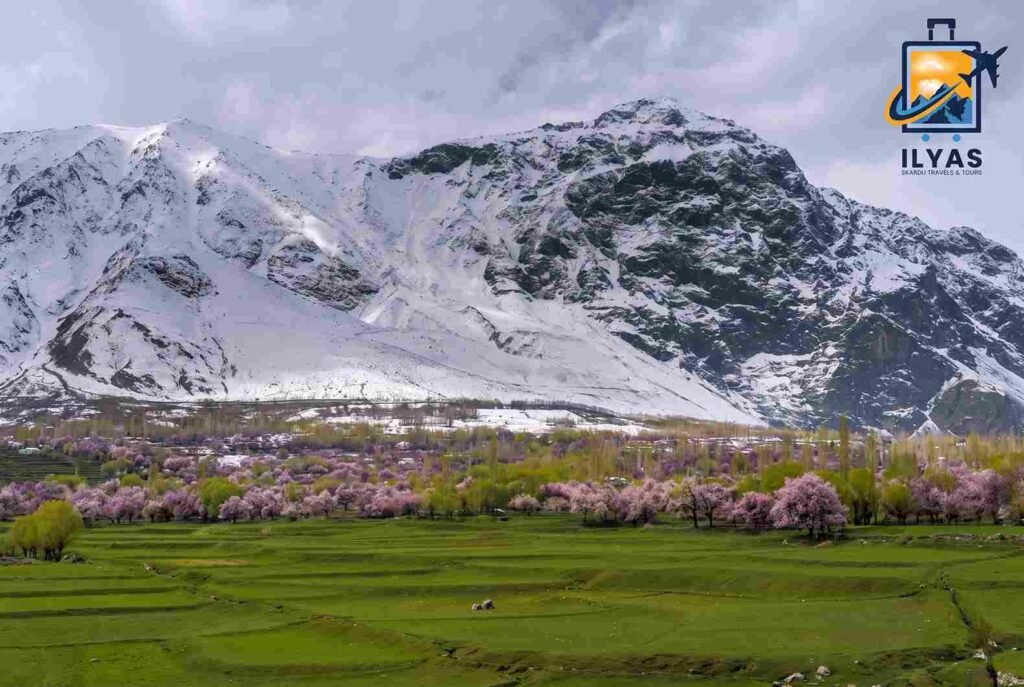
April through October is the most comfortable stretch, with clearer skies and easier road conditions on the Karakoram Highway. Spring brings blossom season in the orchards around Karimabad, and autumn brings turning leaves, both good reasons to visit outside peak summer if your schedule allows it. Winter visits are possible, the fort doesn’t close for the season, but expect colder temperatures, shorter daylight hours, and the possibility of road delays if snow affects the highway. Confirm current road conditions before planning a winter trip.
Cost, Inclusions, and Exclusions
Pricing for the tour itself depends on group size, vehicle type, and whether you’re combining the fort with other stops, so contact the tour operator for current rates. The fort’s own entry fee is paid separately at the gate and is not included in tour pricing. Reported entry fees have varied across recent years and between sources, so confirm the current rate when you arrive rather than relying on a number from an old blog post or review.
Getting There
From Karimabad bazaar:
The fort is a short, steep walk up from the main bazaar area, generally 10 to 15 minutes on foot. There’s no need for a vehicle for this leg unless mobility is a concern.
From Gilgit:
Baltit Fort is roughly 100 kilometers north of Gilgit along the Karakoram Highway, usually a 2 to 2.5 hour drive depending on traffic through Gilgit town and conditions on the road.
From Skardu:
This is the route most relevant if you’re already touring Baltistan. The standard path runs Skardu to Gilgit (around 170 kilometers) and then Gilgit to Karimabad (around 95 to 100 kilometers) on the Karakoram Highway. Driving time alone runs somewhere in the 5 to 6 hour range, but with a fuel or lunch stop in Gilgit, plan on the better part of a full day. Most travelers doing a Skardu-Hunza combined trip treat this as a full travel day rather than trying to fit sightseeing around it.
Road conditions on the Karakoram Highway can shift with weather, so build some flexibility into your schedule, particularly outside the summer months.
Recommended Skardu Tour Packages for Every Traveler
Explore our recommended Skardu tour packages, carefully designed for solo travelers, families, couples, and groups. Choose from flexible Budget, Standard, and Luxury options to match your travel style and budget.
| Tour(s) | Mode of Transport | Budget | Standard | Luxury |
|---|---|---|---|---|
| Skardu Tour Packages from Islamabad | By Road | PKR 90,500 | PKR 115,000 | PKR 194,000 |
| K2 Base Camp Trek | By Air | PKR 100,500 | PKR 140,500 | PKR 220,000 |
| Soq Valley Skardu Tour | By Road | PKR 9,500 | PKR 12,500 | PKR 15,000 |
| Skardu Tour Packages from Karachi | By Road | PKR 20,000 | PKR 30,000 | PKR 40,000 |
| Marsur Rock Skardu Tour | By Air | PKR 115,000 | PKR 136,000 | PKR 25,000 |
| Satpara Lake Skardu | By Air | PKR 130,000 | PKR 150,000 | PKR 235,000 |
| Deosai National Park Skardu Tour | By Road | PKR 168,000 | PKR 250,000 | PKR 390,000 |
Difficulty and Fitness Requirements
This is an easy attraction by Gilgit-Baltistan standards. The walk up from the bazaar is uphill but short, and inside the fort you’ll climb stairs between floors and walk across some uneven, centuries-old flooring. Comfortable, closed-toe shoes make a real difference. Karimabad elevation, around 2,500 meters, is a mild altitude gain for most visitors and isn’t the kind of elevation that typically causes altitude sickness on its own. If you’re arriving directly from sea level and plan to do more strenuous activity elsewhere in Hunza on the same trip, give yourself a day to settle in, but the fort visit itself doesn’t demand any special acclimatization.
What to Bring
- Comfortable walking shoes with decent grip for stairs and uneven stone floors
- A light jacket, since Karimabad weather can shift quickly even in summer
- Water and sunscreen, especially for the walk up in midday sun
- Cash in Pakistani Rupees for the entry fee and any small purchases in the bazaar, since ATM access in Karimabad isn’t always reliable
- A camera, though check with staff at the entrance about any photography rules or fees before shooting inside
Important Travel Information
Fort rules and heritage guidelines should be respected, including any restrictions on flash photography or access to specific rooms. General tourism in Hunza doesn’t require a special permit beyond standard entry requirements for Gilgit-Baltistan, but if you’re a foreign national, confirm current entry and travel requirements with your tour operator or the relevant authorities before your trip, since these can change. Weather in Hunza shifts quickly, particularly at higher elevations nearby, so check conditions the day before if you’re combining the fort with a longer excursion.
Booking Information
Advance booking is recommended during peak season (roughly May through September), when accommodation and transport in Karimabad fill up quickly. Contact the tour operator directly for current pricing, available transportation options, and to arrange a Baltit Fort visit as part of a broader Hunza or Skardu-Hunza itinerary.
Tour Highlights
- Restored rooms that show what daily and ceremonial life looked like for the Mirs of Hunza, including furnished living quarters and a small museum collection
- Panoramic views over Karimabad and the Hunza Valley, with Rakaposhi visible on a clear day
- Architectural details that mix local building techniques with the Tibetan-influenced touches added during later expansions
- A short, manageable walk up from Karimabad bazaar that most travelers can do without any special preparation
- Easy pairing with Altit Fort and the old town walking routes for a fuller half-day of history
Included
- Transportation according to the package selected
- Driver or guide assistance
- Trip coordination and basic tour support
Excluded
- Meals and personal expenses
- Fort entry tickets
- Guide charges at the fort, if not already arranged
- Accommodation
- Anything not specifically listed in your confirmed package
Gallery